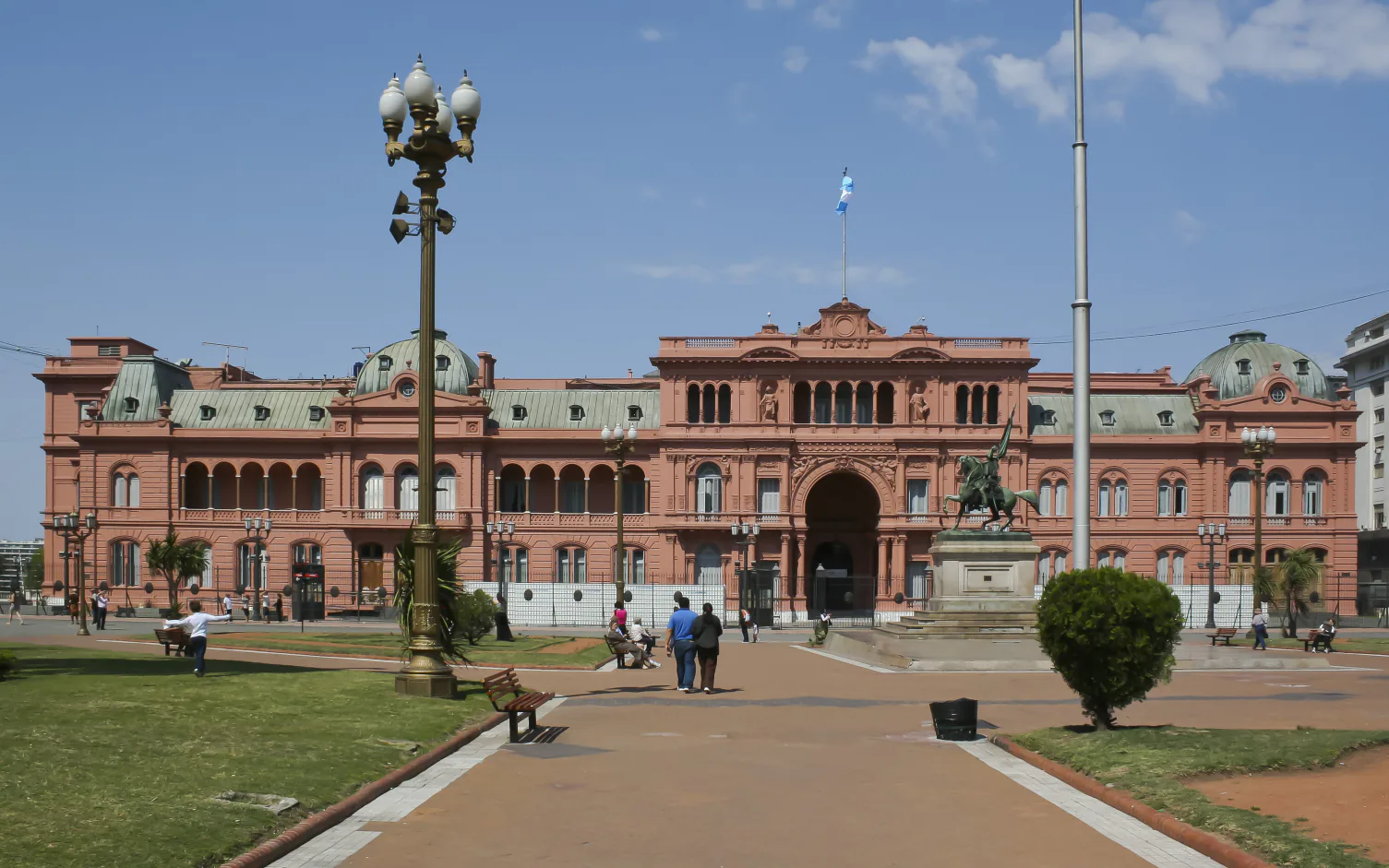
Plaza de Mayo & Casa Rosada
Begin in the city’s historic heart. The Casa Rosada, Cabildo and Metropolitan Cathedral frame a square central to Argentina’s public life.
From the historic heart around Plaza de Mayo to the cafés of Palermo and the avenues of Recoleta, Buenos Aires invites you to slow down and explore. Discover its distinctive neighborhoods, creative culture and unforgettable food before continuing to the waterfalls, wine country or Patagonia.
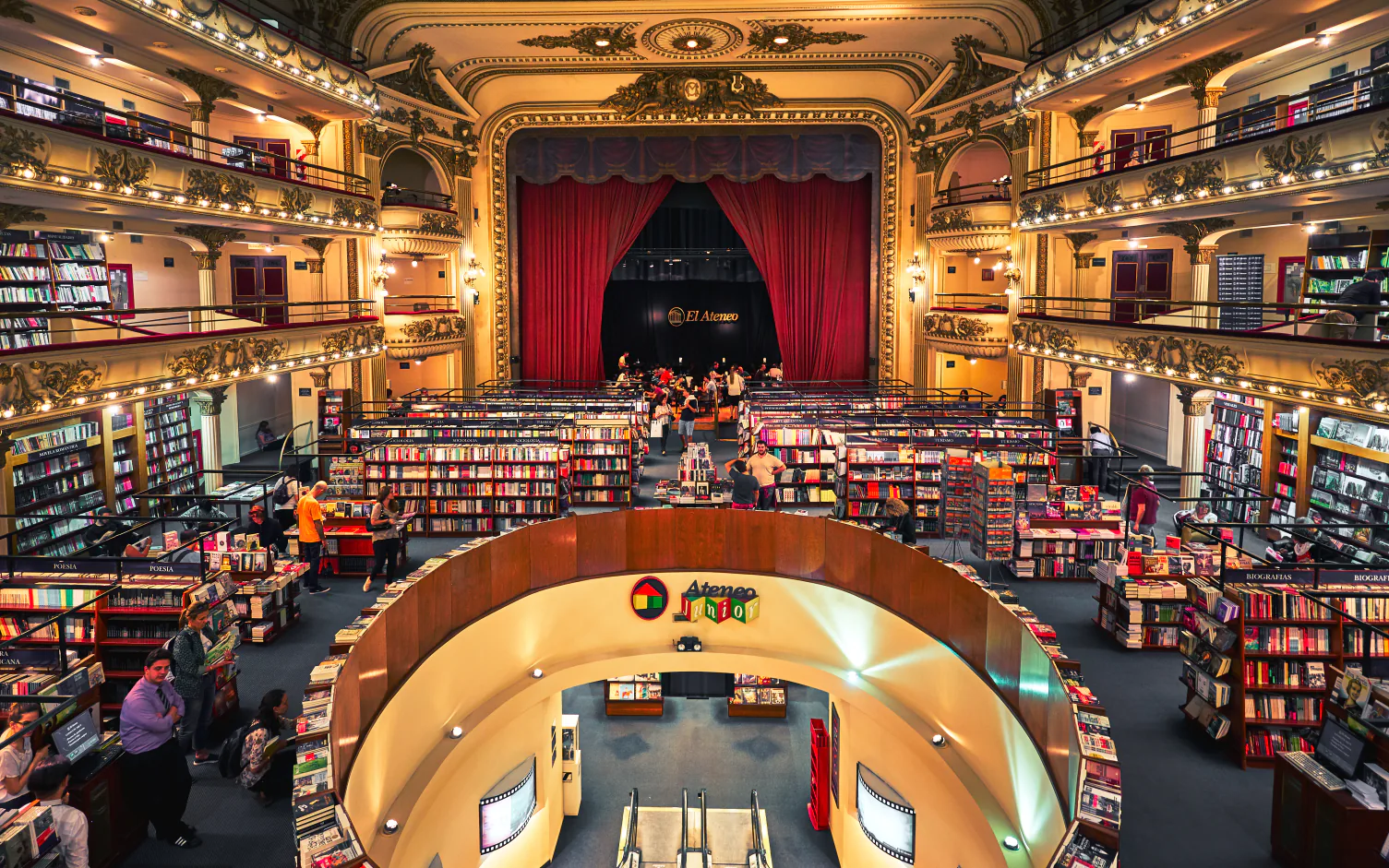
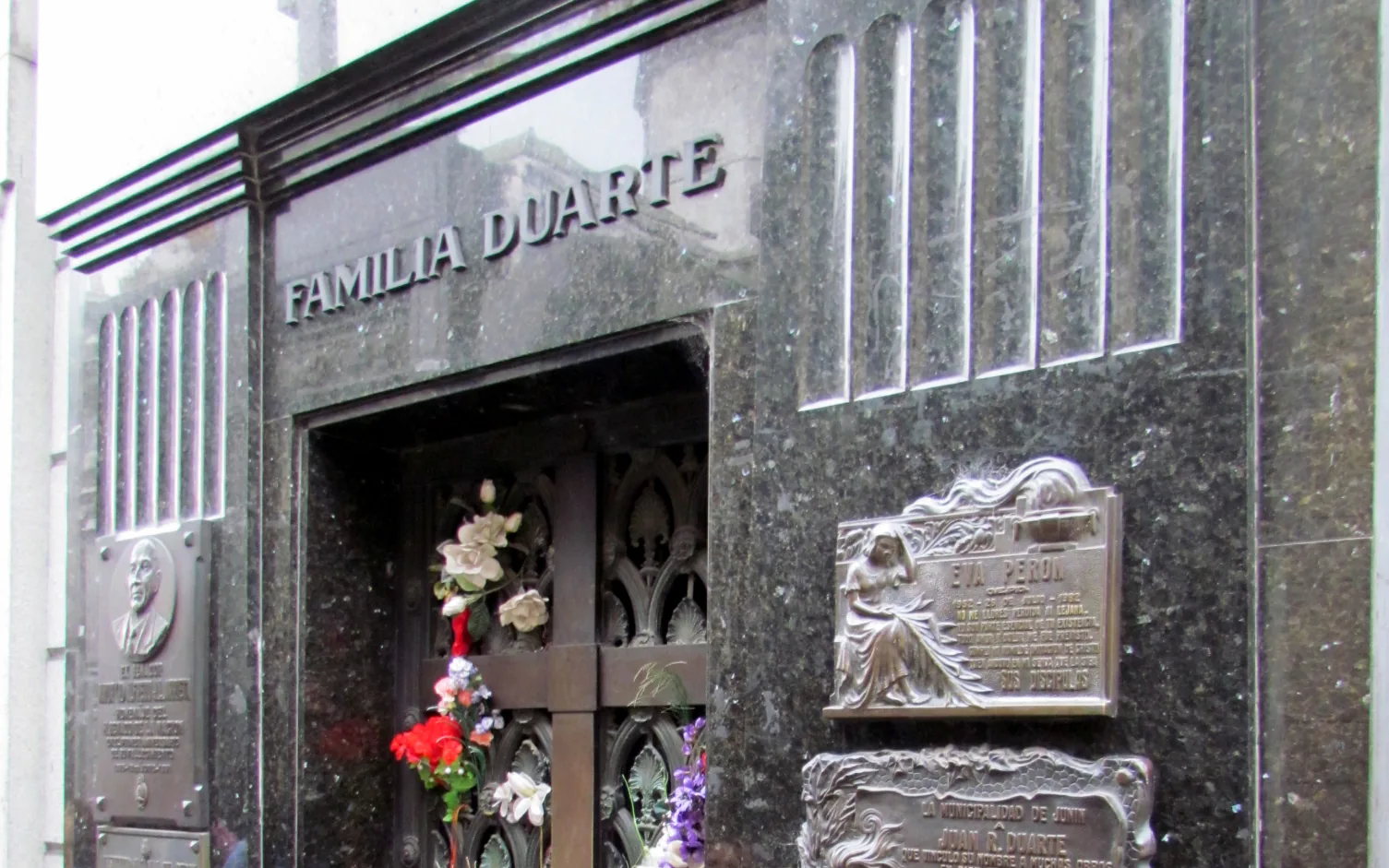
Grand avenues, neighborhood cafés and historic plazas reveal different chapters of Argentina’s capital. Visit Plaza de Mayo for the city’s political history, then explore Recoleta’s ornate cemetery or browse the books beneath El Ateneo Grand Splendid’s painted ceiling.
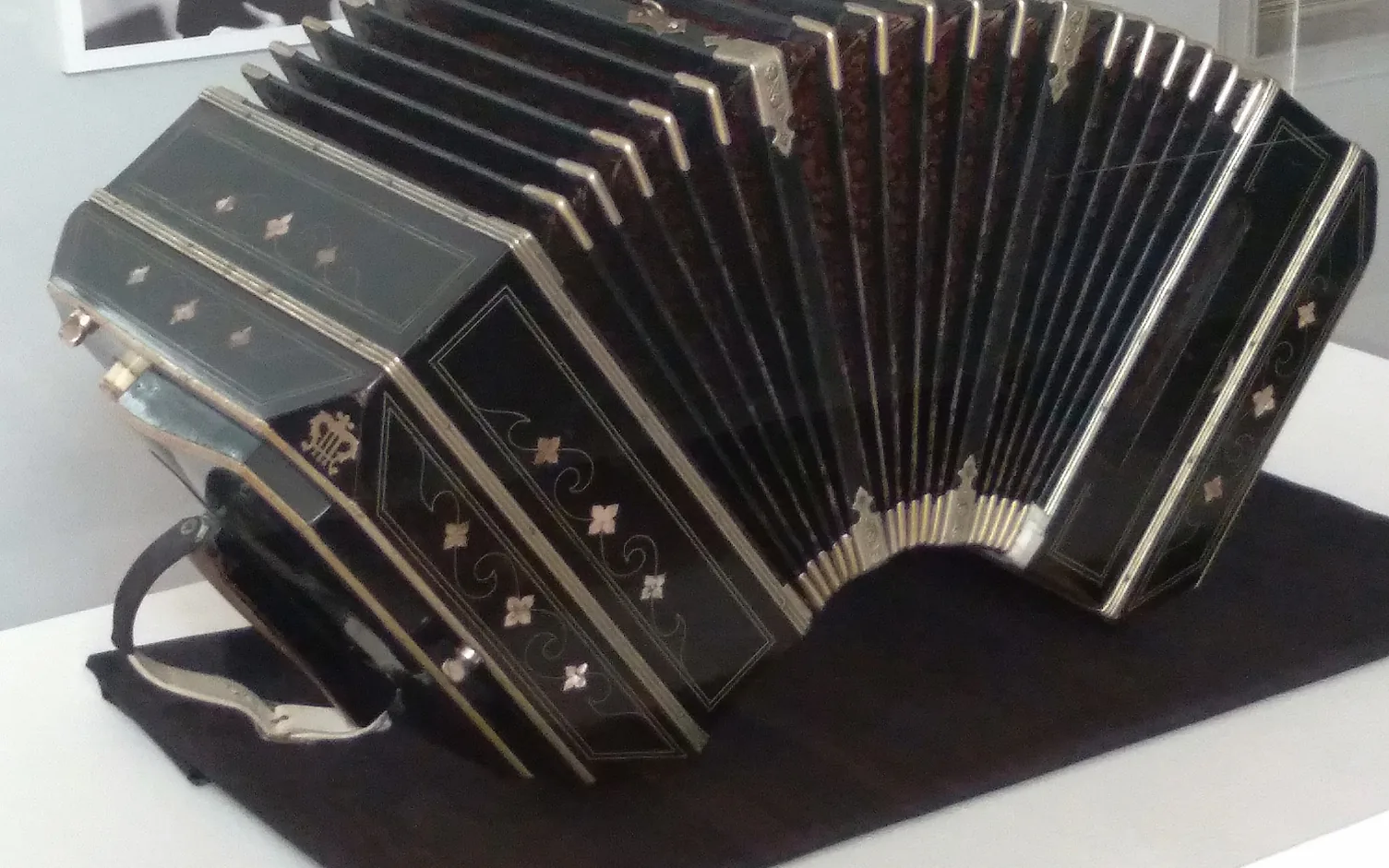
Tango, theater and food are part of the city’s identity. A night of music, a leisurely meal or time in a neighborhood market can be as memorable as a celebrated monument. Choose what interests you and give it room in the itinerary.
Buenos Aires works beautifully alongside Argentina’s natural landscapes. Spend time in the capital before Iguazú Falls, wine country or Patagonia—or include it in a longer journey through South America. Good planning makes room for both the city and the travel between stops.
The best area depends on the atmosphere you prefer, your itinerary and how you like to spend your evenings. These neighborhoods offer different ways to experience the city; your exact hotel and room category are confirmed when your trip is planned.
Elegant streets, cafés and museums make Recoleta a convenient introduction to the city. The cemetery and nearby cultural attractions are a draw, while its quieter character may suit travelers who prefer a more settled base.
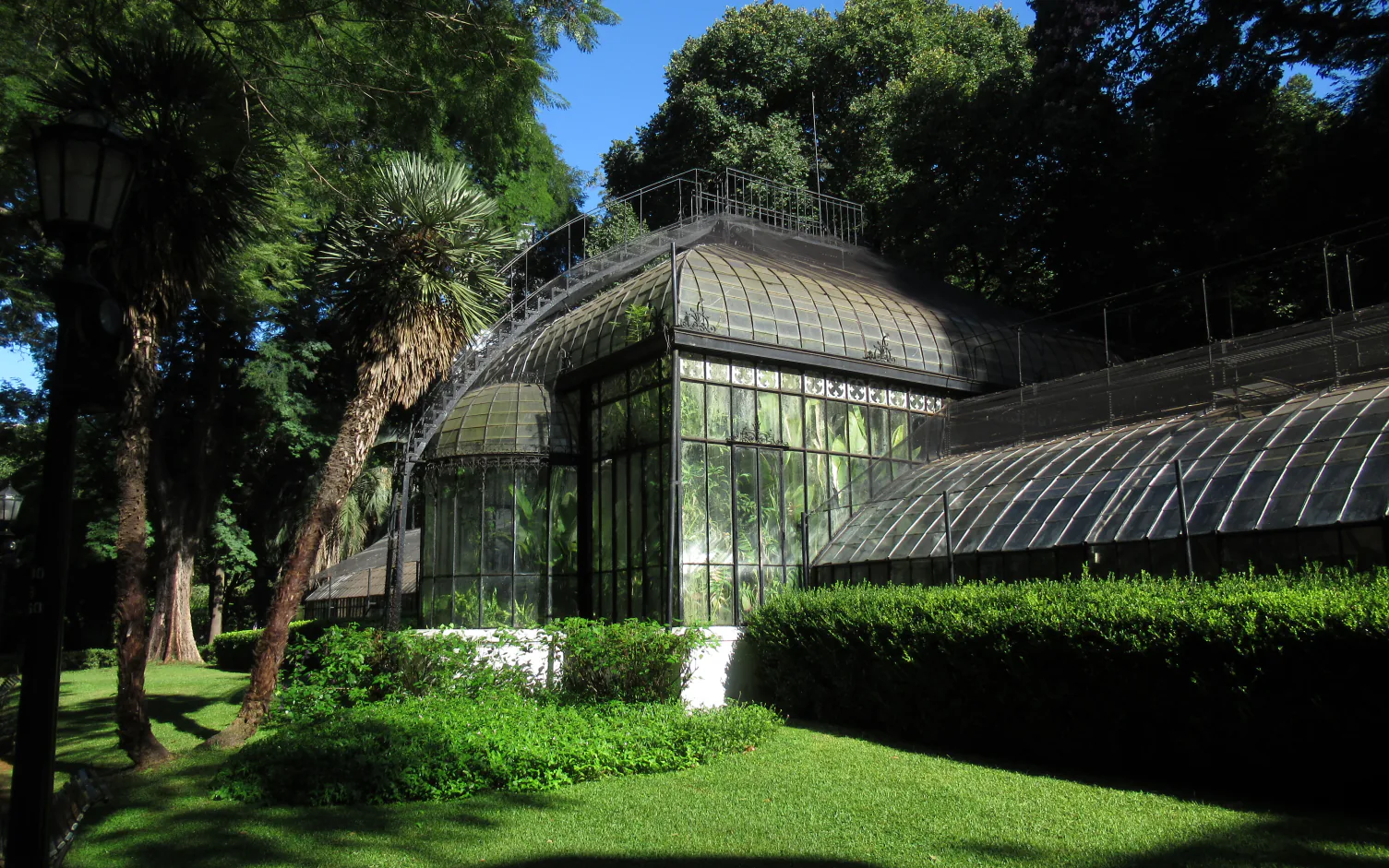
Palermo is a large district with several distinct areas. Its gardens, cafés and restaurants appeal to couples and families, but check the exact location: distances between the parks and dining areas can be greater than they appear.
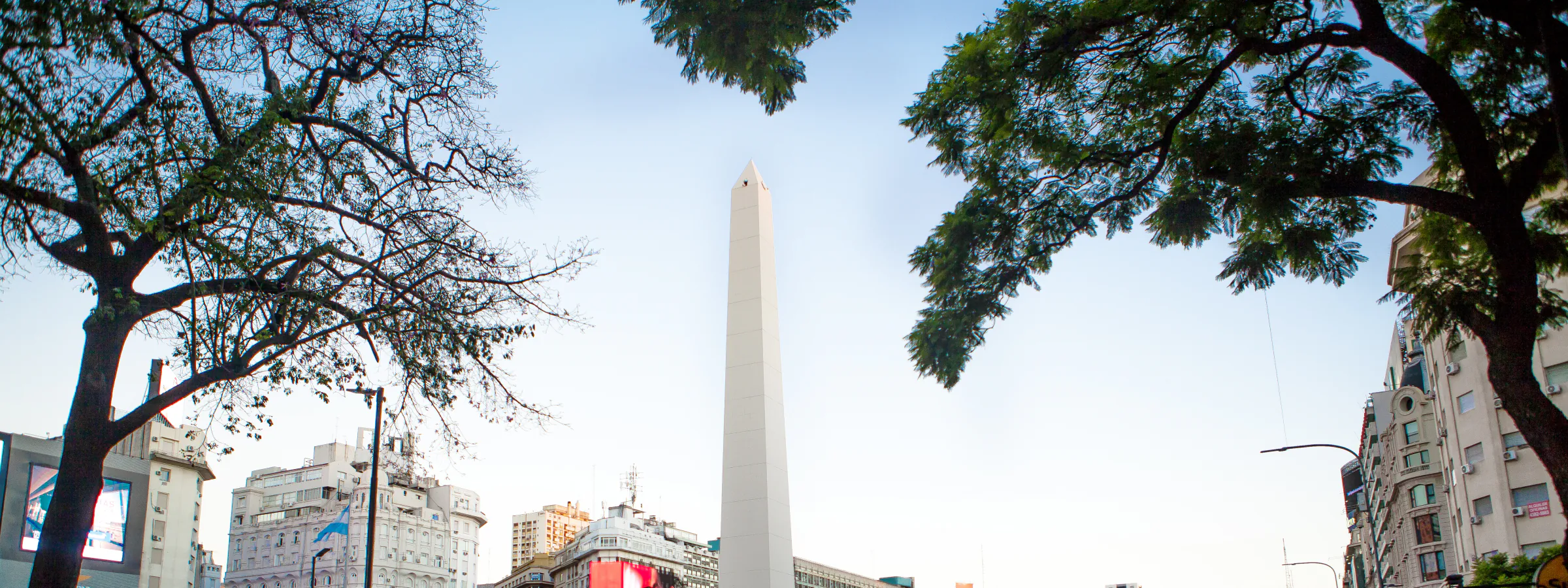
The historic center puts Plaza de Mayo, the Obelisk and Teatro Colón within reach. It is lively during the day; the atmosphere varies by street and time, so consider your preferred evening plans when choosing a location.
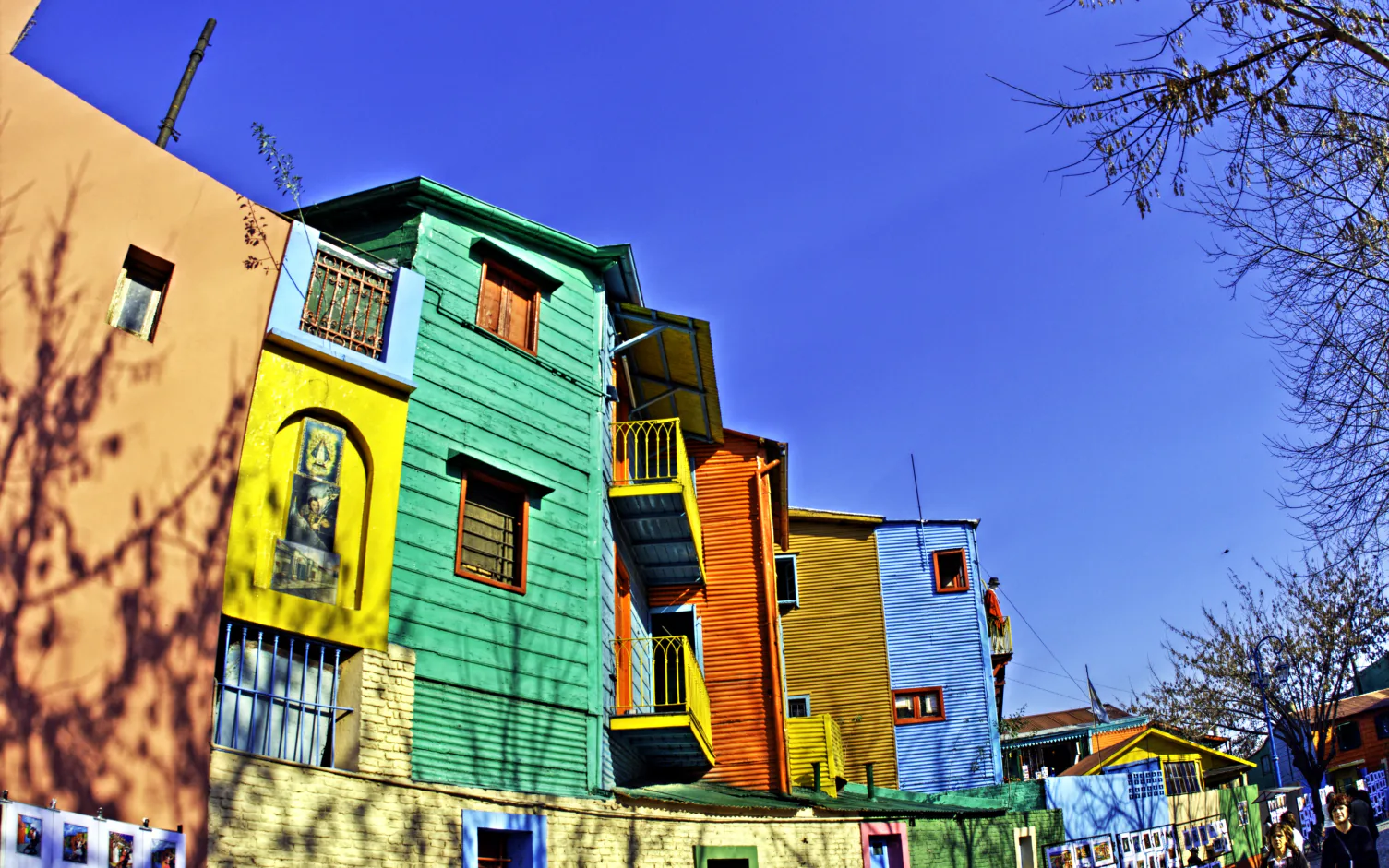
Cobblestone streets, antique shops and the Sunday market give San Telmo a distinct personality. Some sidewalks are uneven, so travelers with mobility needs should check routes and transport in advance.
Restored warehouses, contemporary buildings and waterside paths offer a different perspective on Buenos Aires. It suits travelers who enjoy an evening stroll, while visits to other neighborhoods may require transport.
Choose the places that appeal to you most. Experiences and entrances vary by itinerary; your quotation confirms the arrangements for your trip.
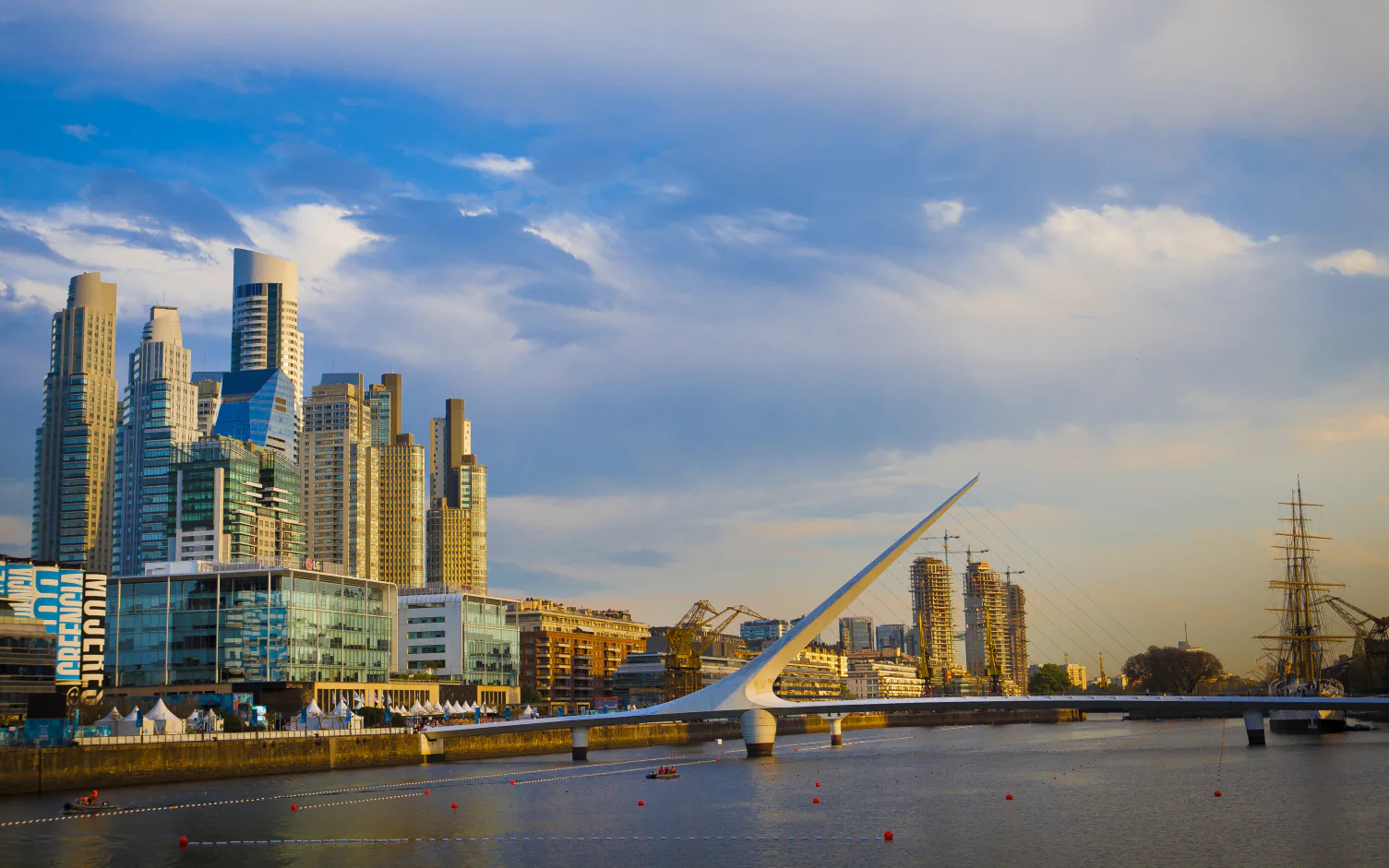
Two full days offer an introduction to the historic center, Recoleta and a selection of other neighborhoods. With three days, you can add Palermo, a museum or a relaxed evening without fitting every stop into the same schedule. Four or more days leave room for a slower pace or an excursion such as Tigre, subject to your interests and arrangements.
Count arrival and departure separately from sightseeing. Some PWP itineraries return to Buenos Aires for an overnight connection, so four hotel nights do not always mean four full days in the city.
Buenos Aires is a year-round destination. Spring (September–November) and fall (March–May) often bring comfortable conditions for exploring on foot. Summer (December–February) can be hot and humid, with occasional heavy rain; winter (June–August) is generally cooler. Weather varies, so pack layers and leave room for indoor alternatives.
Holidays and major events can affect availability and opening schedules. Your ideal dates may also depend on the seasons in Iguazú, Patagonia or the wine regions you plan to combine with the capital.
Buenos Aires is spread across a large urban area. Traffic and the distance between stops can shape the day, so group nearby sights and leave a realistic margin rather than relying on a fixed transfer time.
Ezeiza (EZE) and Aeroparque Jorge Newbery (AEP) both serve Buenos Aires. Which airport you use depends on your ticket and routing; check it carefully, especially if a connection involves a change of airport.
Keep phones, bags and valuables secure in busy places, avoid leaving possessions unattended and use reliable transport. Follow current US or UK travel advice and ask about local conditions before exploring unfamiliar areas.
Recoleta’s cemetery paths, San Telmo’s uneven streets and some historic buildings may require extra planning for travelers with limited mobility. Tell us about walking needs, children’s ages and preferred pace so individual services can be checked.
US and full British citizen passport holders can generally visit Argentina for tourism without a visa for up to 90 days. Rules may change and additional countries may appear in your route; check official requirements for each traveler before departure.
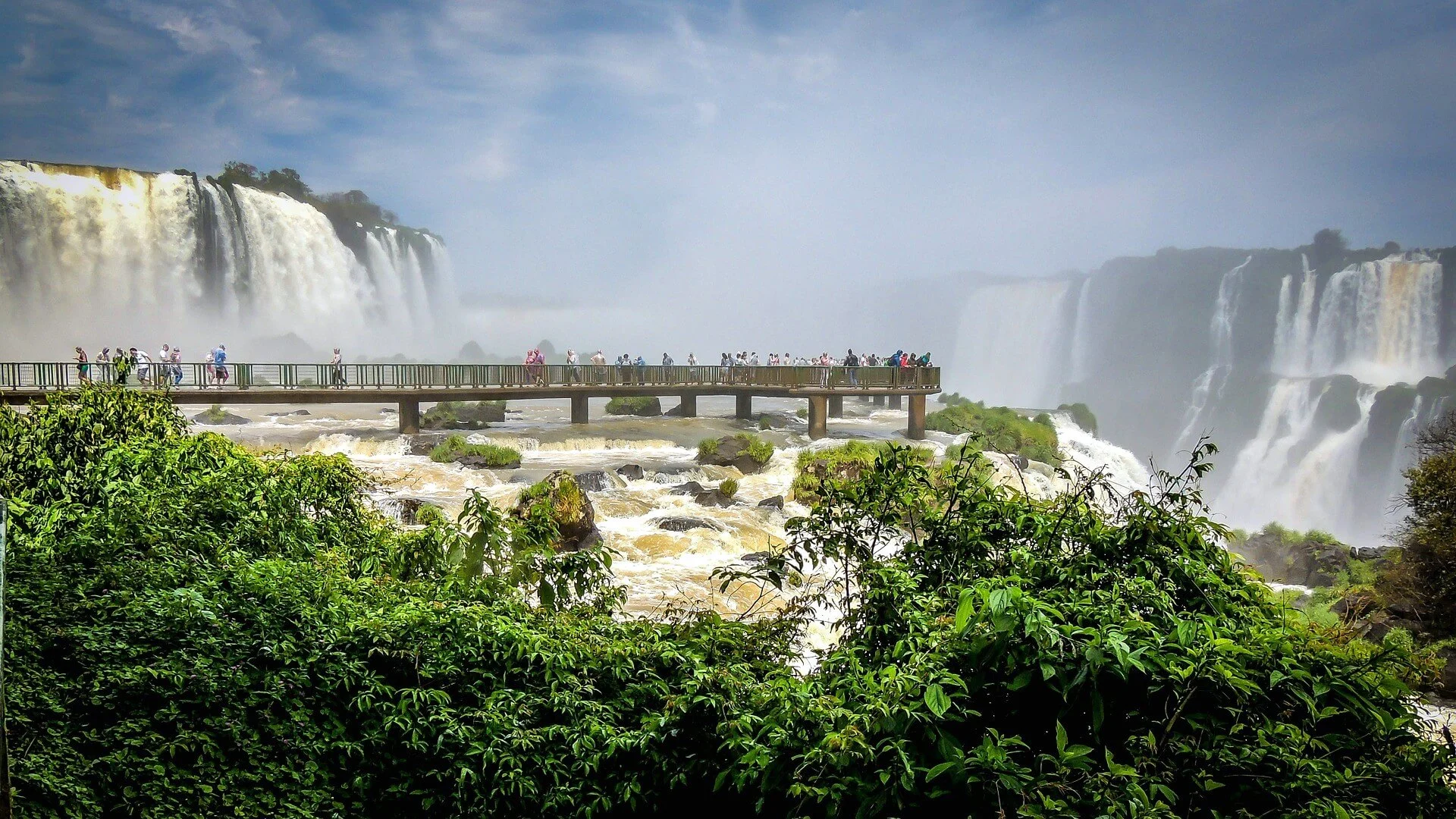
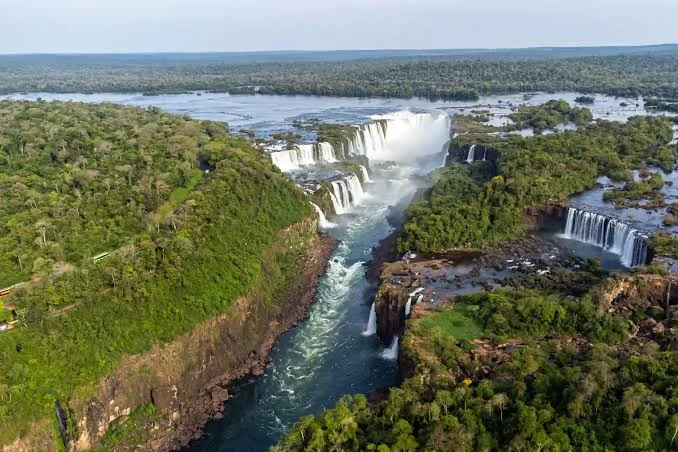
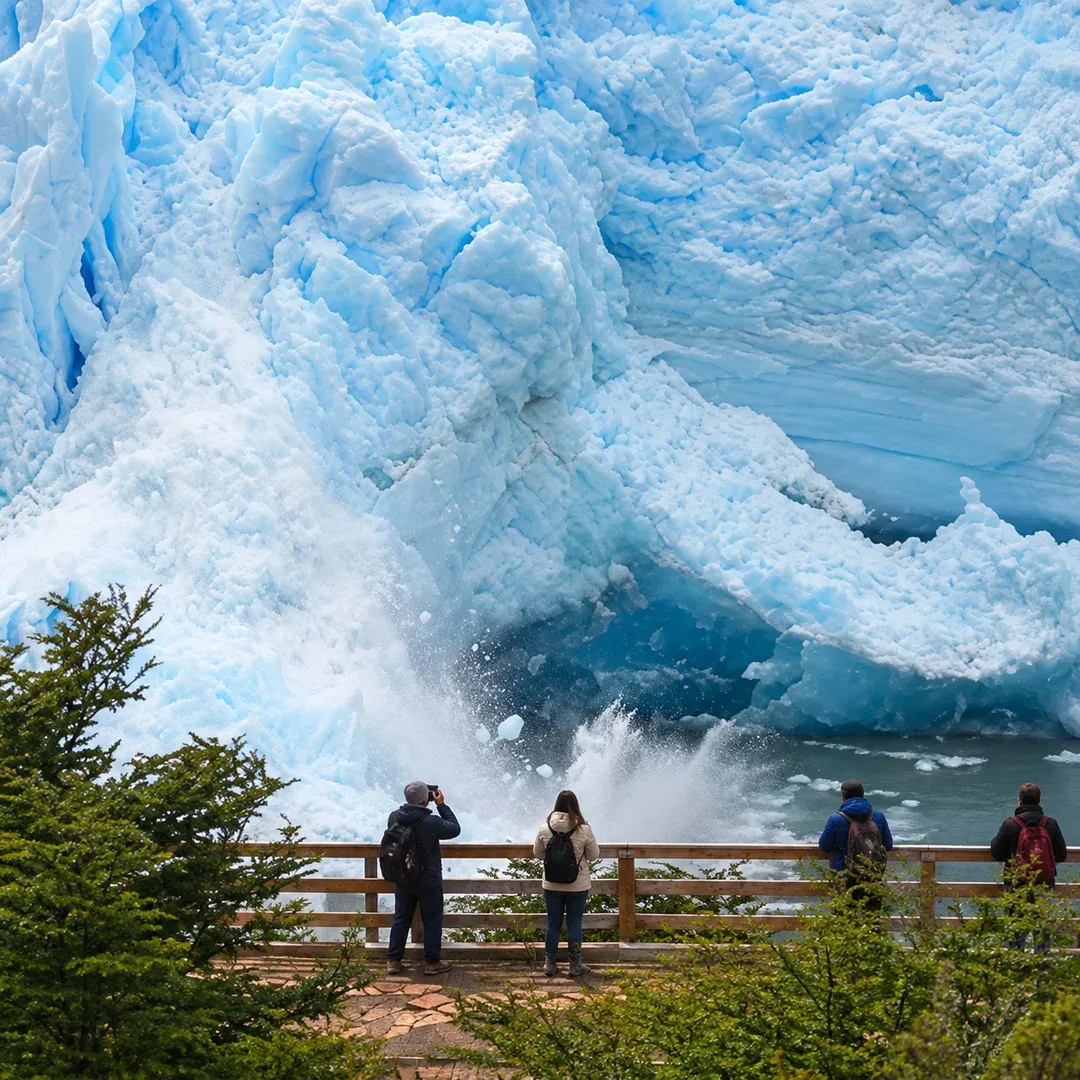
For a longer multi-country route, explore the 20-Day South America Tour, connecting Peru, Rio, Iguazú and Buenos Aires. Discover the waterfalls in our Iguazú Falls guide. Explore Argentine Patagonia. Package inclusions differ. Tango shows, special meals and optional excursions are not automatically included; flights and exact services are confirmed in your individual quotation.

Every trip is personally designed around your interests, pace, and style by our specialists.

Private or small-group travel, maximizing your time and budget.

Handpicked professionals who make every trip insightful and unforgettable.

10+ years of experience, 24/7 support, and official recognition for seamless travel.
Photographs from Wikimedia Commons, used under their own licenses. No endorsement is implied.