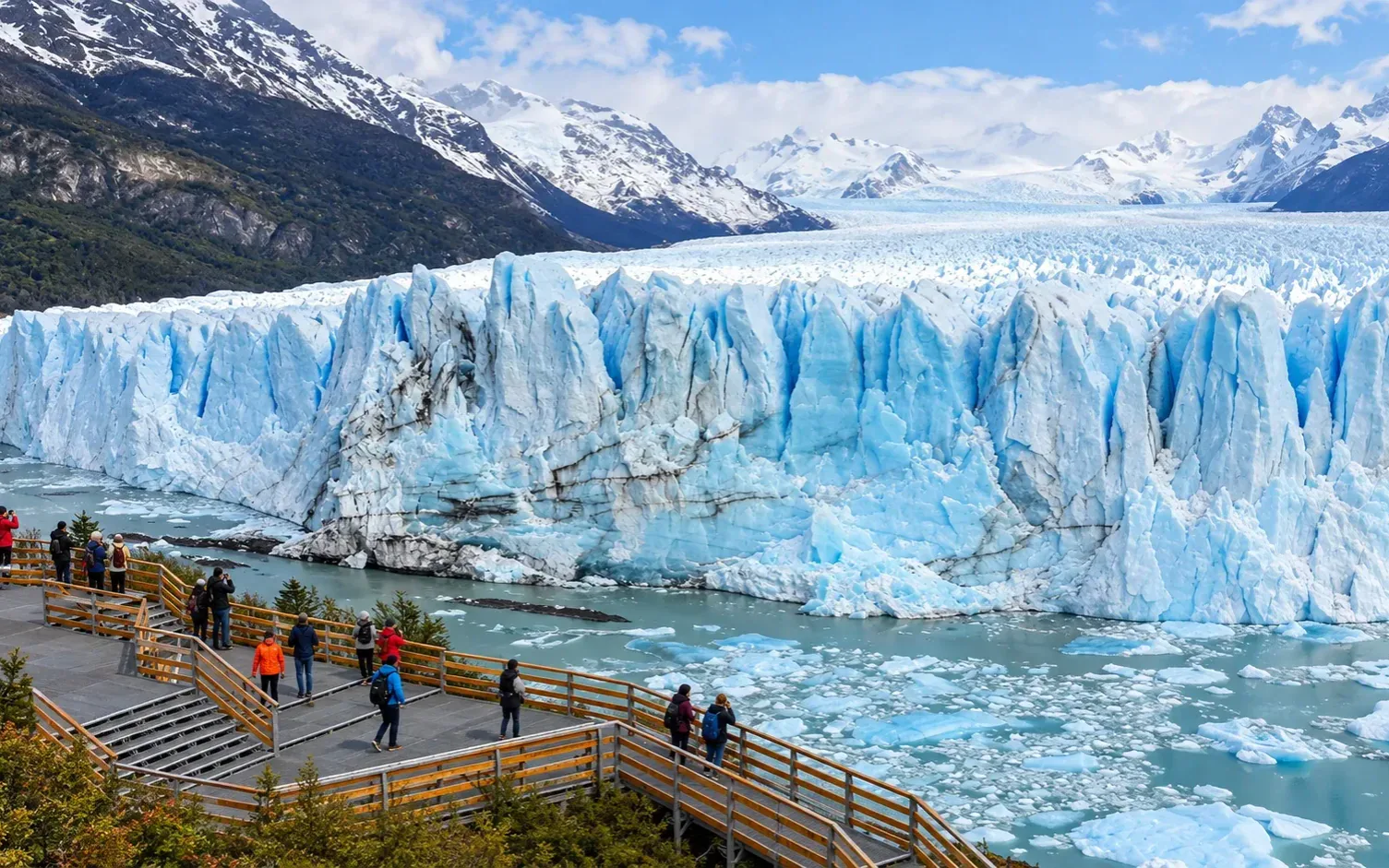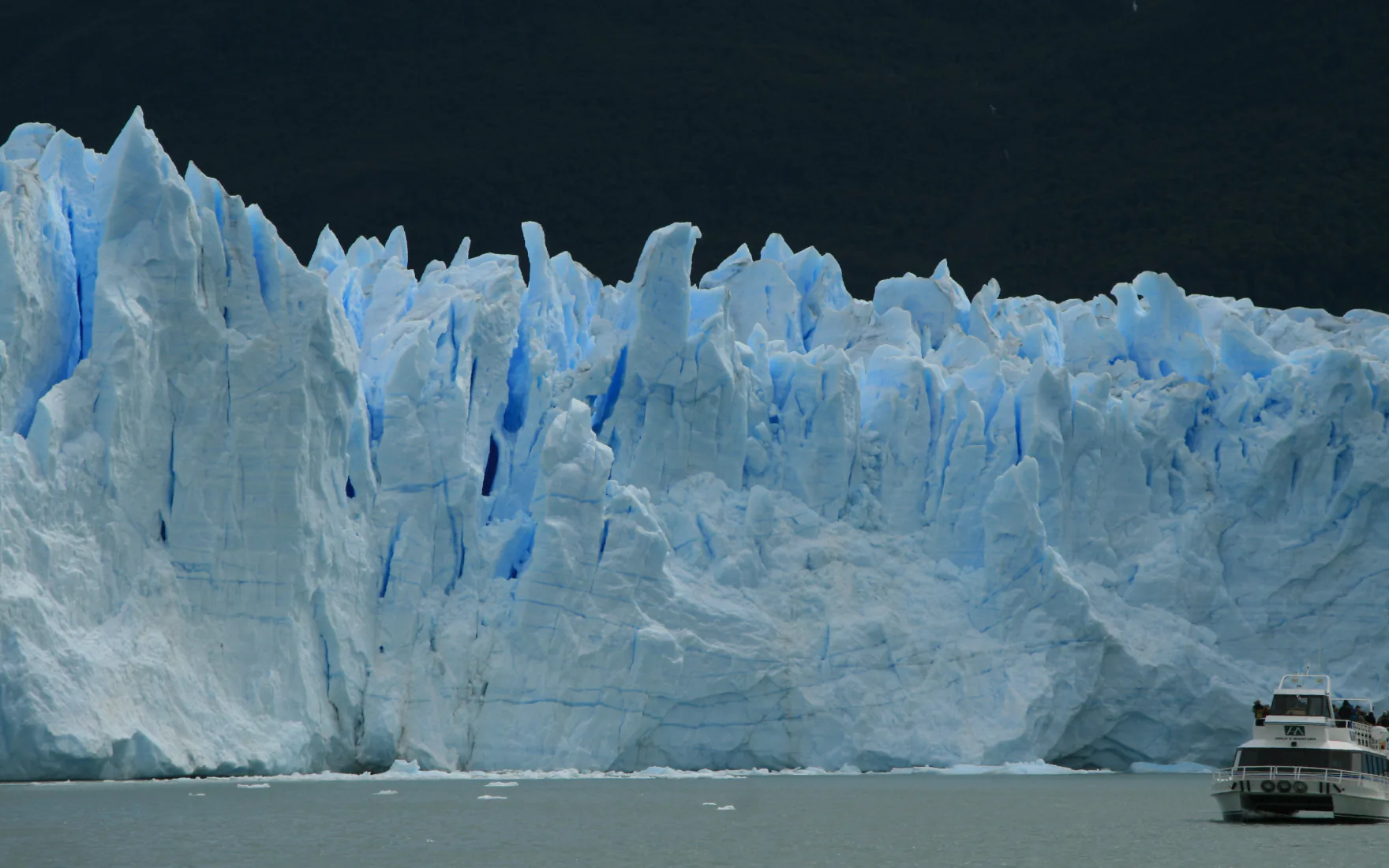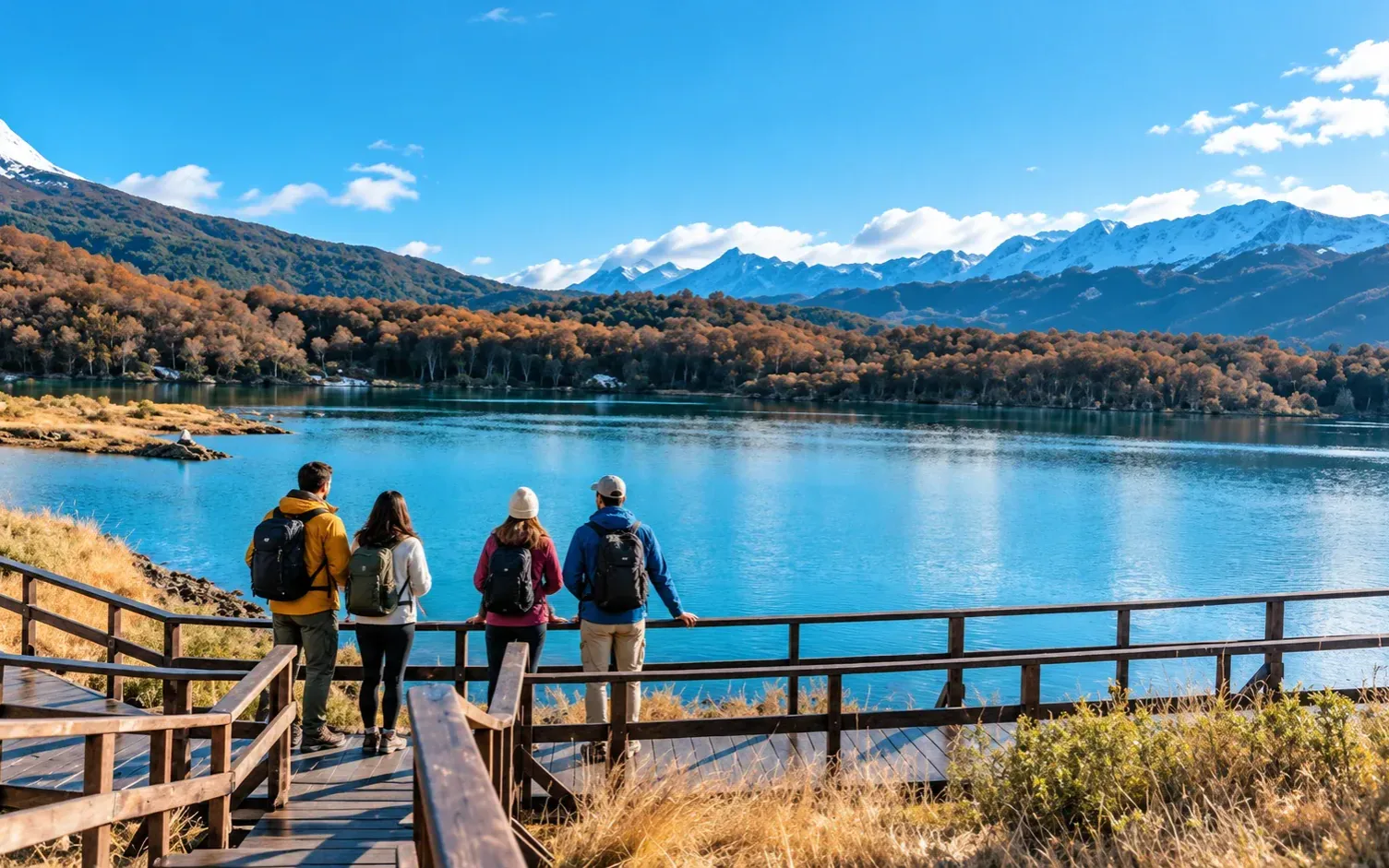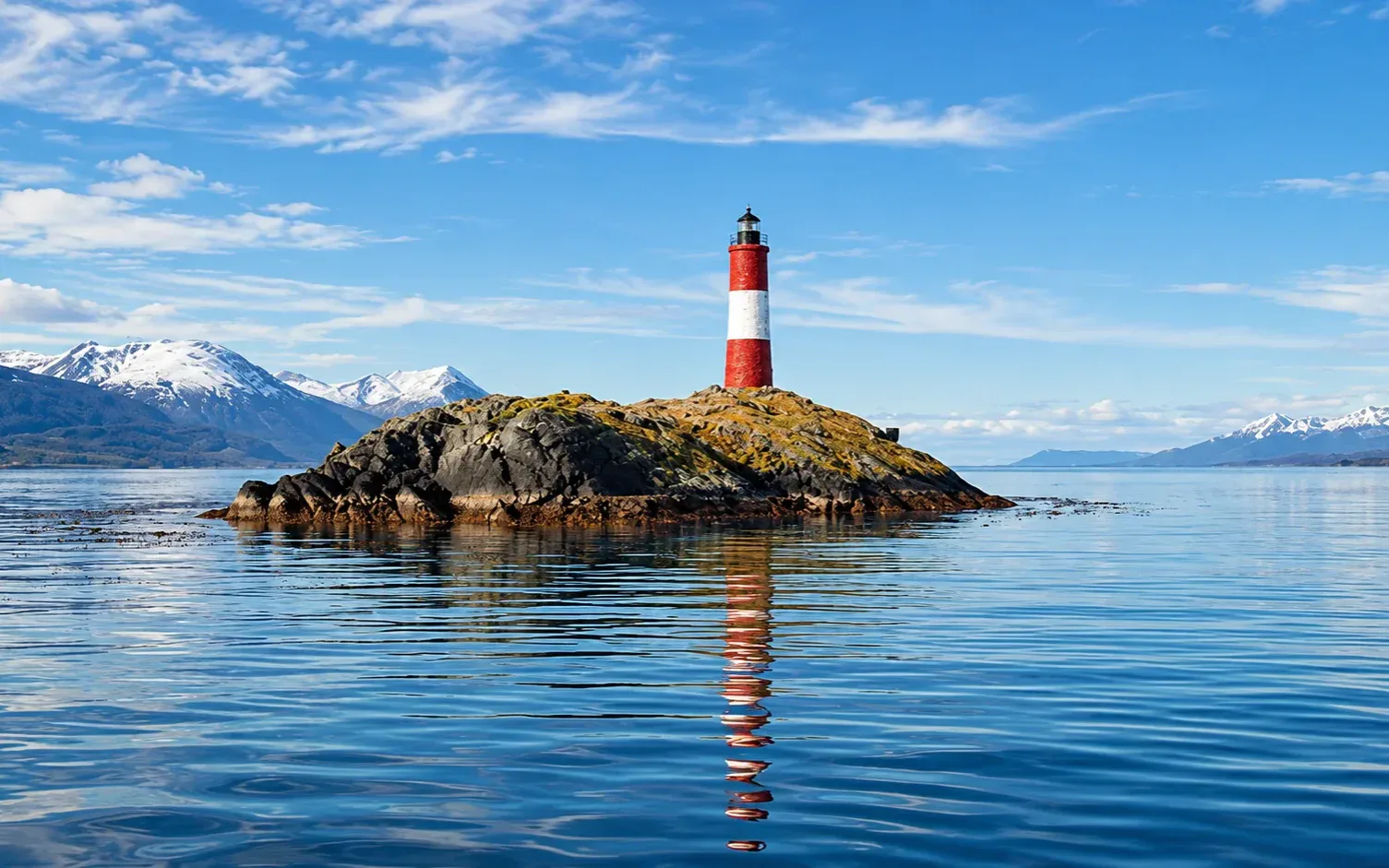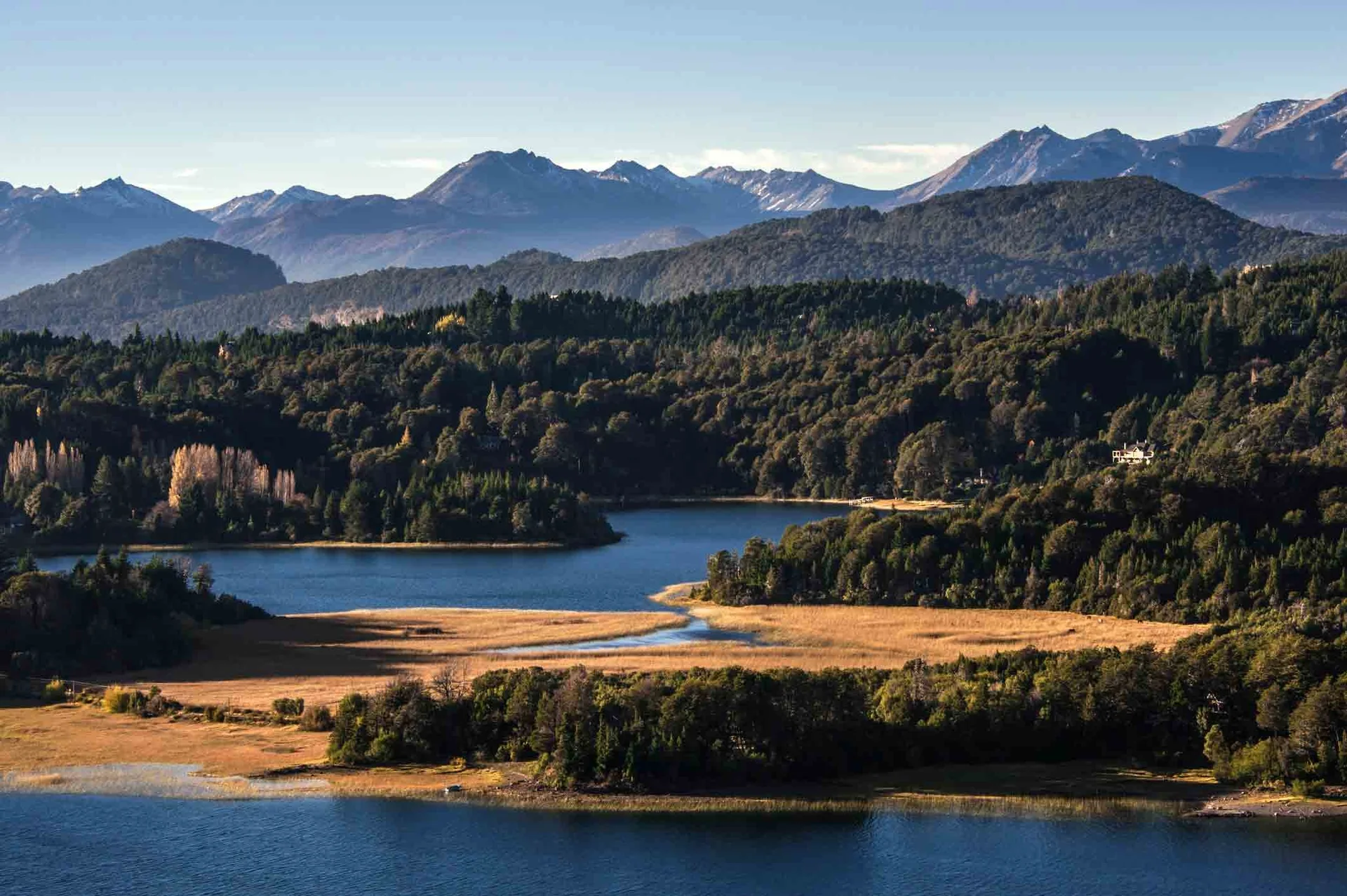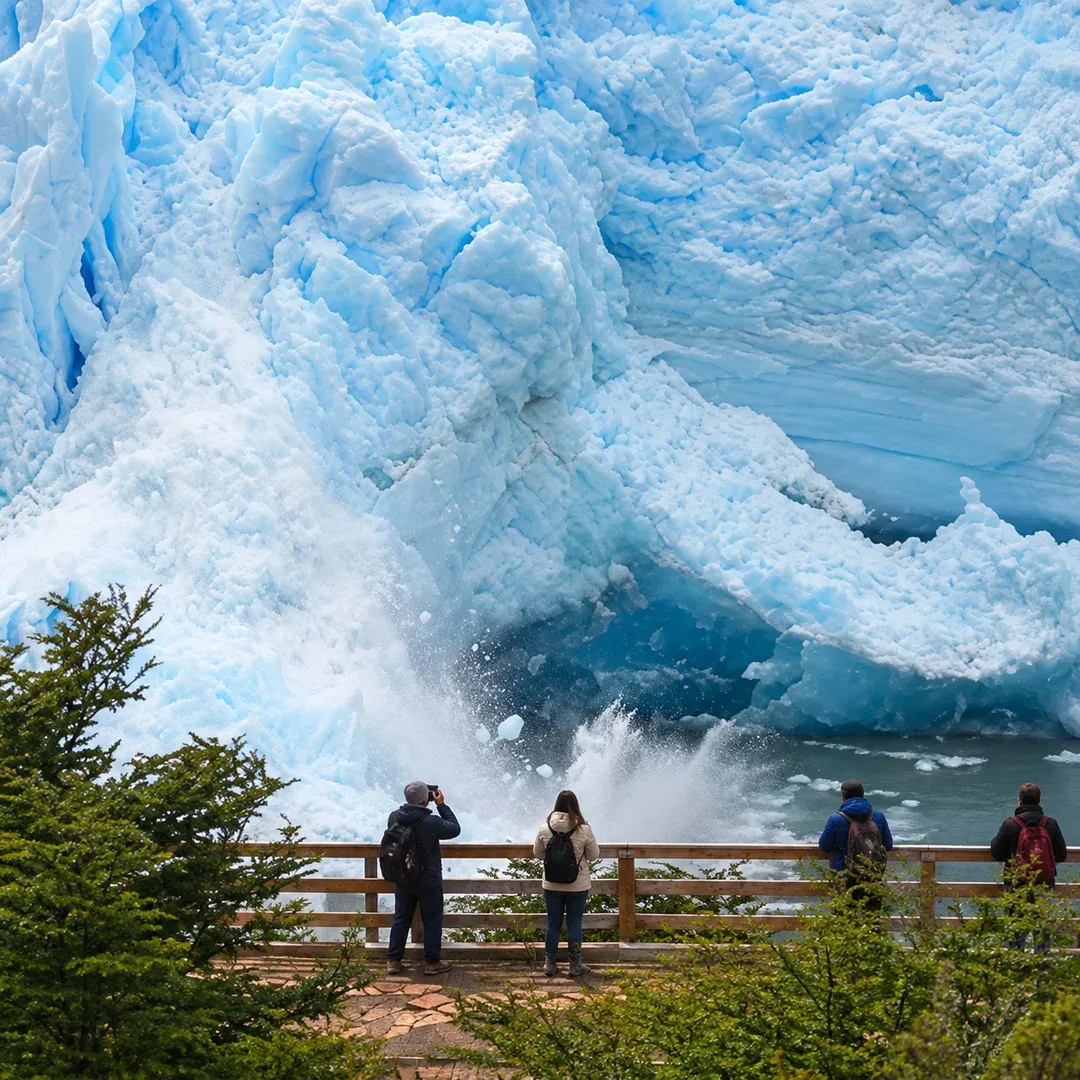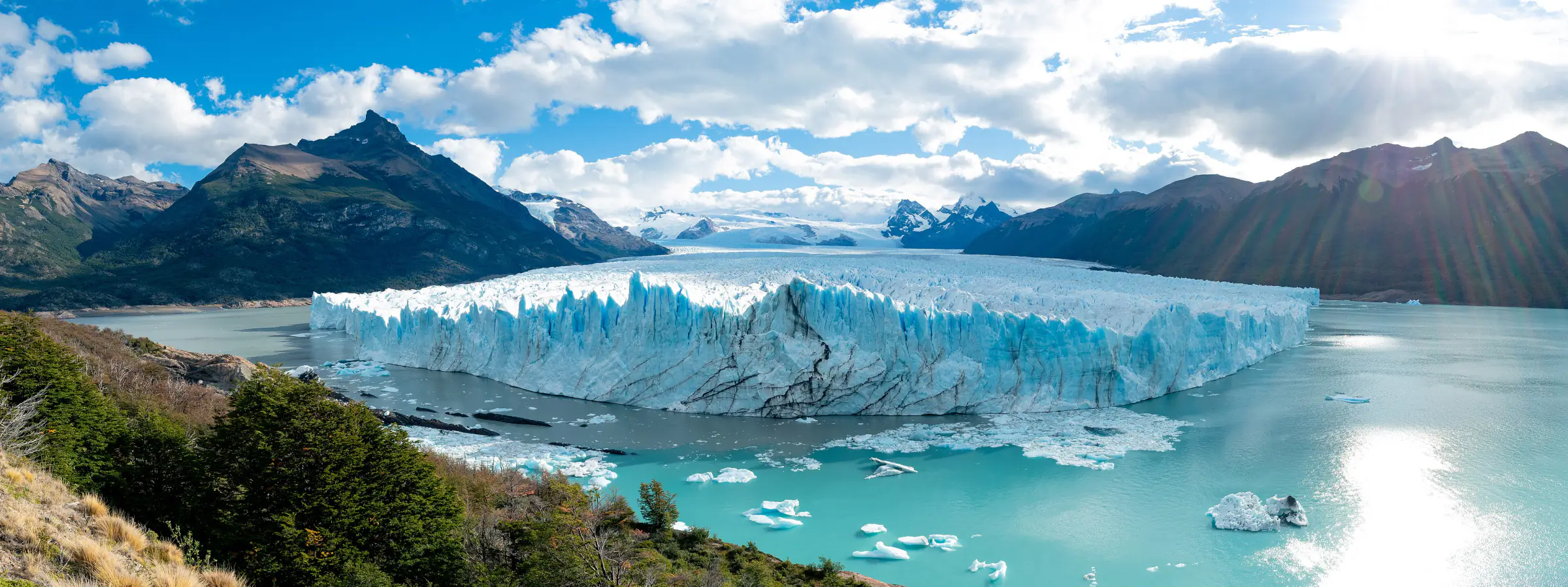
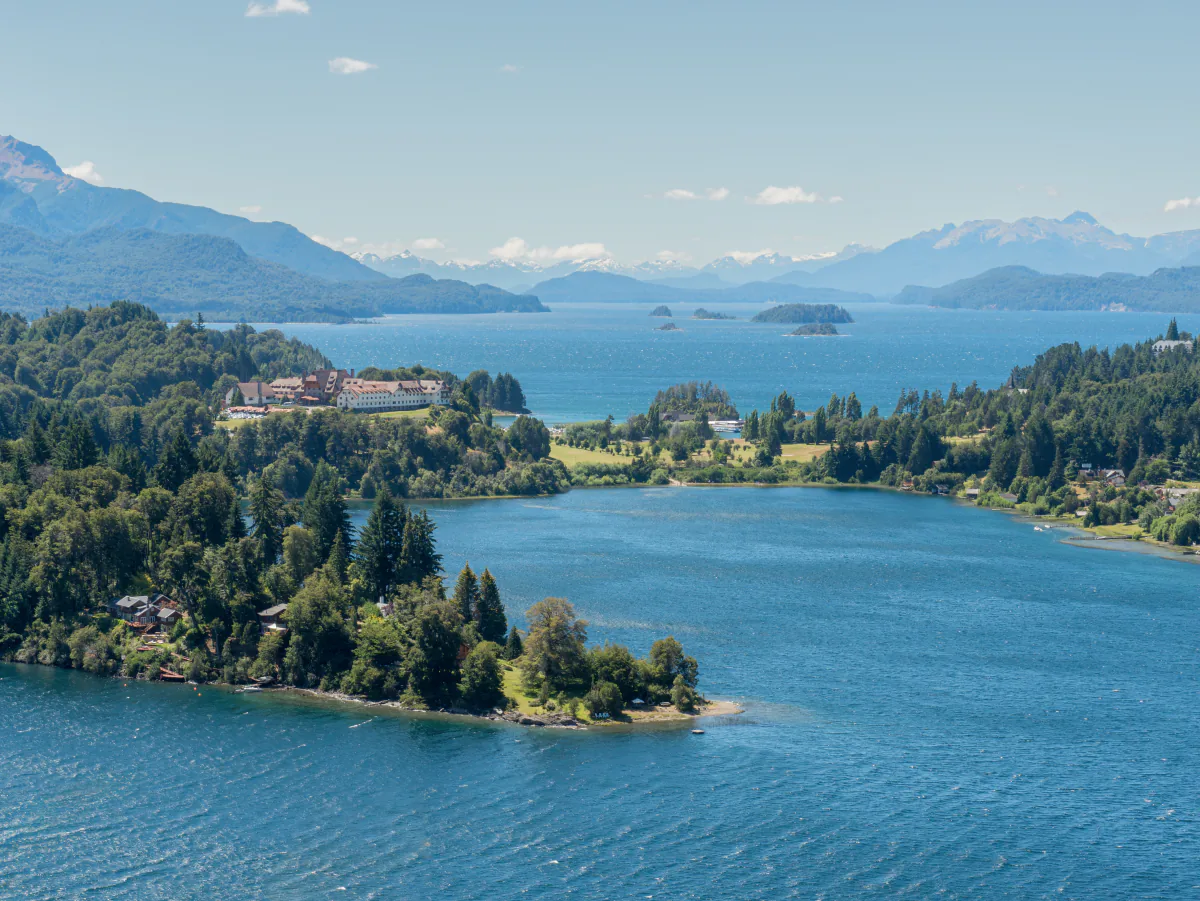
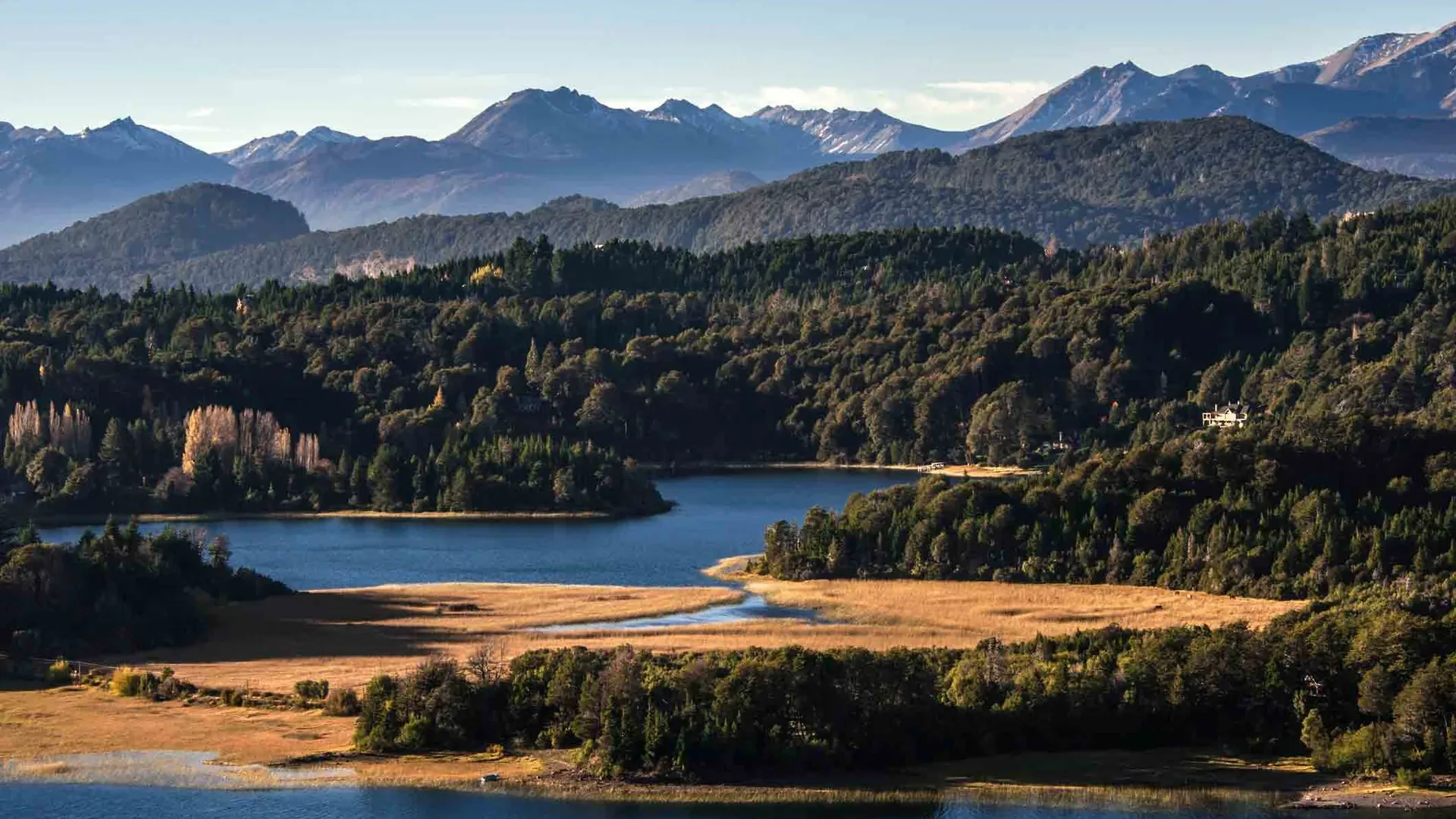
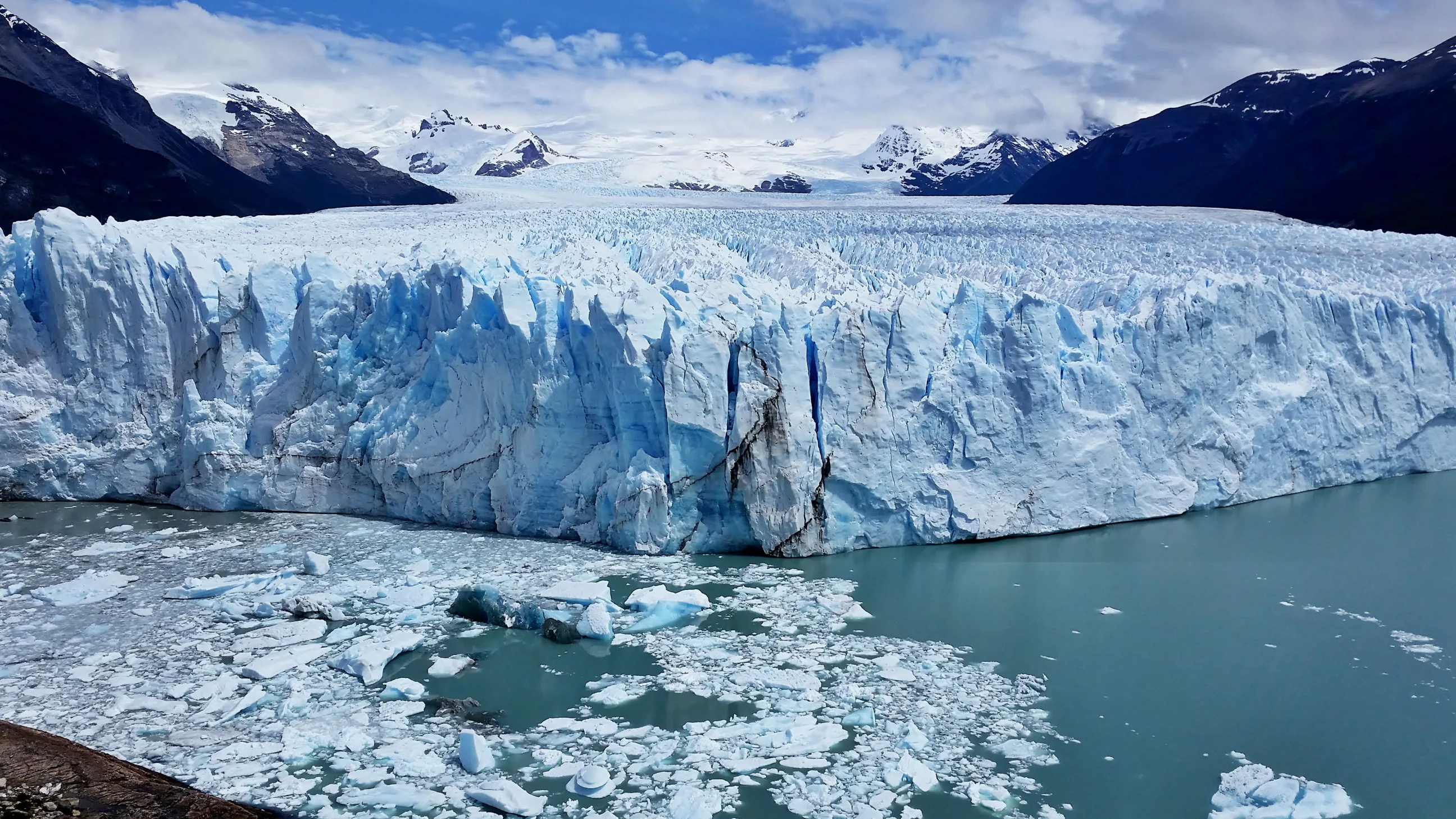
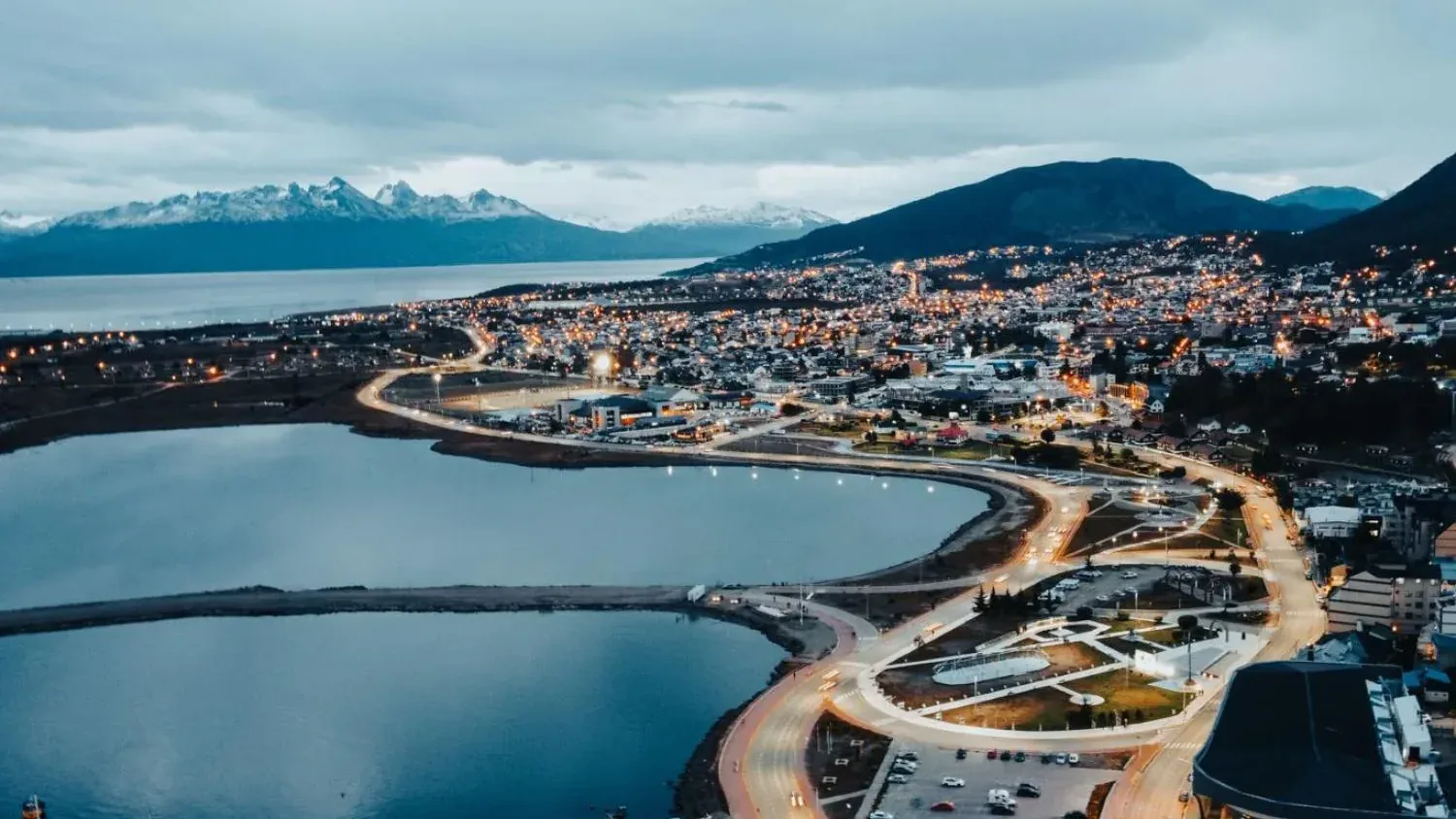
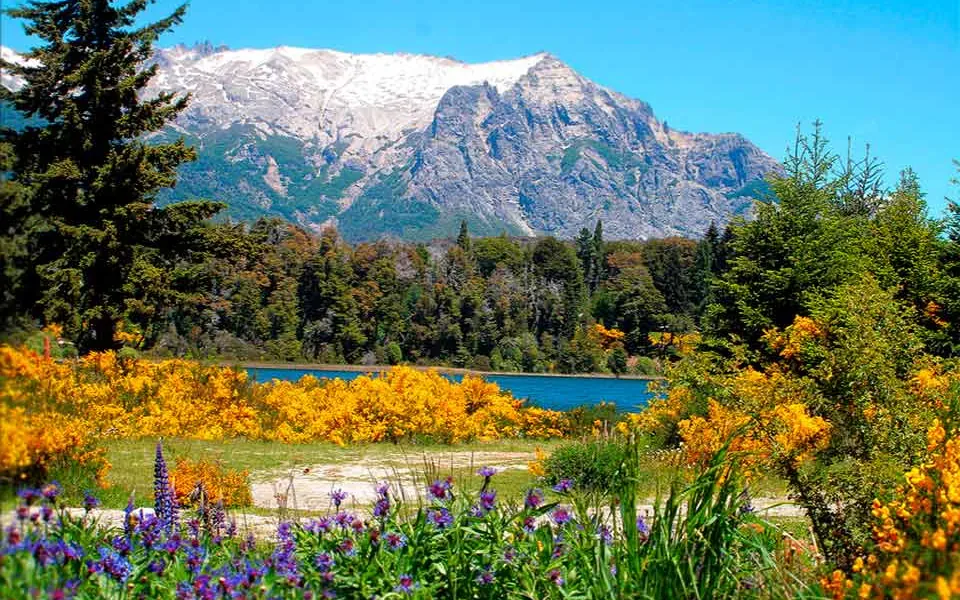
Begin among Bariloche’s forested lakes, stand opposite the immense face of Perito Moreno Glacier and finish beside the Beagle Channel. Each base feels distinct, which gives a multi-stop itinerary variety without requiring a border crossing into Chile.
Patagonia rewards active travelers, but long hikes are not essential to the PWP route. Scenic drives, glacier walkways, short navigations and national park visits make the region accessible to many couples and families. Mobility, boarding and weather requirements still vary by activity and should be confirmed before booking.
Distances are substantial, weather changes quickly and flight schedules can be seasonal. A tailor-made plan helps balance major experiences with recovery time, suitable room categories and activities that fit the group rather than forcing every traveler into the same level of exertion.

Patagonia is a region, not a single resort. PWP’s published itineraries use the following three Argentine bases.

Best for: Scenic road trips, lake landscapes, families and travelers who want a softer start to Patagonia.
When it works best: Year-round, with a different character by season. Summer favors longer daylight and outdoor sightseeing; winter brings snow and may change the activity plan.
Planning recommendation: Allow about three nights to experience Circuito Chico and one additional day at a comfortable pace.

Best for: The region’s most accessible major glacier experience.
When it works best: September through April offers the broadest operating window. Colder months can bring snow, ice and reduced access to some activities.
Planning recommendation: Allow about three nights for the glacier day, a second experience and weather resilience.

Best for: Coastal scenery, wildlife viewing, national park landscapes and the feeling of reaching Argentina’s far south.
When it works best: Late October through April generally offers longer daylight and the widest choice of excursions. The city can be visited year-round, subject to winter weather and closures.
Planning recommendation: Allow three to four nights for the national park, Beagle Channel and one flexible day.
For a journey combining all three bases, late October through March usually provides the simplest balance of longer daylight, broader excursion availability and more workable conditions. September, April and early May can be rewarding shoulder periods, but services and weather require closer checking.
This is the easiest season for combining the region. Days are long and the main sightseeing program is widely available, while wind and rapid weather changes remain normal. Demand is also highest, so early planning helps with flights, rooms and preferred excursions.
These months can bring quieter travel and strong seasonal color. Conditions are less predictable, and not every navigation or activity follows the same calendar in all three bases. The exact plan should be checked against operating dates before confirmation.
Bariloche becomes a winter destination, while El Calafate and Ushuaia require more flexible expectations. Snow, ice, limited daylight and seasonal closures can alter the standard route. A winter proposal should be designed as a distinct trip rather than treated as the summer itinerary with different clothing.
The dedicated 13-day Patagonia itinerary is the clearest model for covering Bariloche, El Calafate and Ushuaia without turning every day into a transfer. Travelers with less time should usually choose two bases rather than compress all three.
The bases are separated by long distances. Domestic flights are normally the practical connection, but schedules and routings vary by date. Allow most of a day for airport procedures, transfers and schedule resilience instead of treating each flight as free sightseeing time.
Wind, visibility and navigation conditions can affect operations. Keep the most important experience away from the final hours in each base when possible, and retain one flexible day in the longer route.
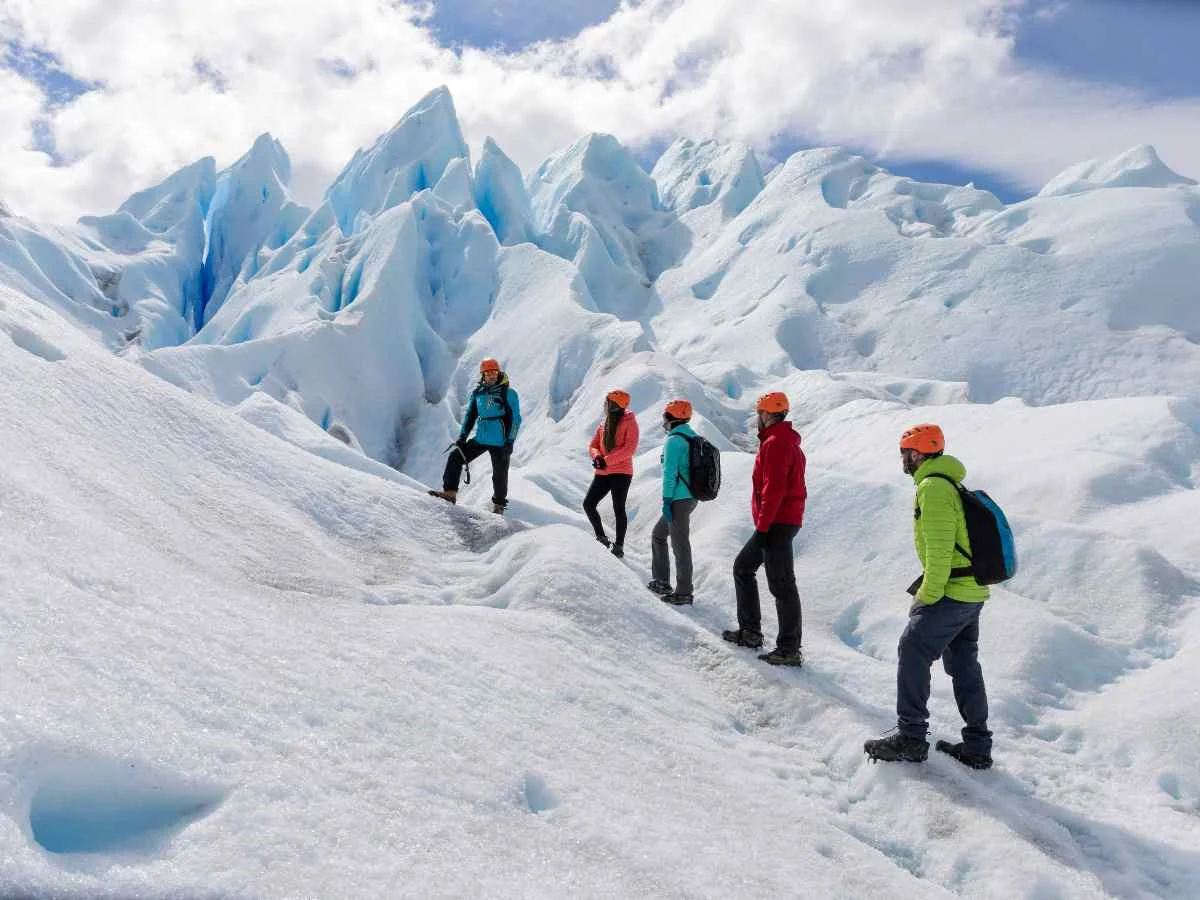
The core route does not require technical trekking. PWP should still confirm walking tolerance, stairs, uneven surfaces, boat boarding, car-seat needs and other mobility considerations before recommending a specific service.
Use layers, a waterproof and wind-resistant outer shell, comfortable shoes with reliable grip, sun protection and a small daypack. Temperatures can change between bases and within the same day. Equipment for specialized activities is governed by the confirmed operator and quote.
Published inclusions differ by itinerary. International and domestic flights are not included unless a final quotation expressly says otherwise. Exact accommodation, transport, guides, activities, operating conditions and payment terms are confirmed during individual quotation and contracting. Some broader Argentina itineraries also enter Brazil at Iguazu; entry requirements depend on passport and must be checked separately. Tell us who is traveling, the month you have in mind, the time available and the pace you prefer. We will use the published itineraries as a starting point and confirm the services that fit your trip.

Every trip is personally designed around your interests, pace, and style by our specialists.

Private or small-group travel, maximizing your time and budget.

Handpicked professionals who make every trip insightful and unforgettable.

10+ years of experience, 24/7 support, and official recognition for seamless travel.
Photographs credited below are from Wikimedia Commons; the remaining photographs on this page are from Peru Wayna Picchu’s own library. Images were proportionally resized and converted to WebP; the layout crops the displayed view. Derivatives retain each source’s license. No endorsement is implied.