Quito, Ecuador: Culture & Andean Views

Walk through historic plazas, discover the crafts of La Ronda and see Ecuador’s capital framed by the Andes. Give Quito a place in your journey for its culture, with time to explore before continuing through mainland Ecuador or to the Galapagos.

Things to Do in Quito

Choose a few of these experiences to shape your visit. They are ideas to discuss when planning, rather than a single-day itinerary or a list of package inclusions.

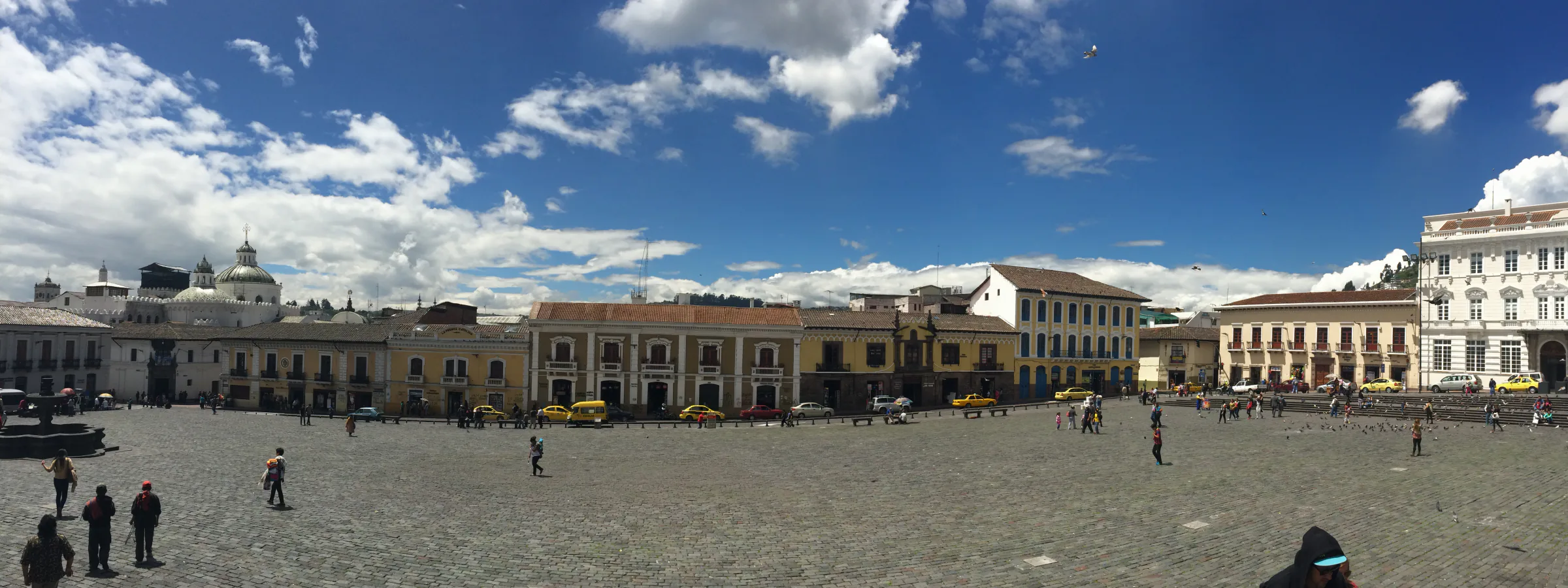
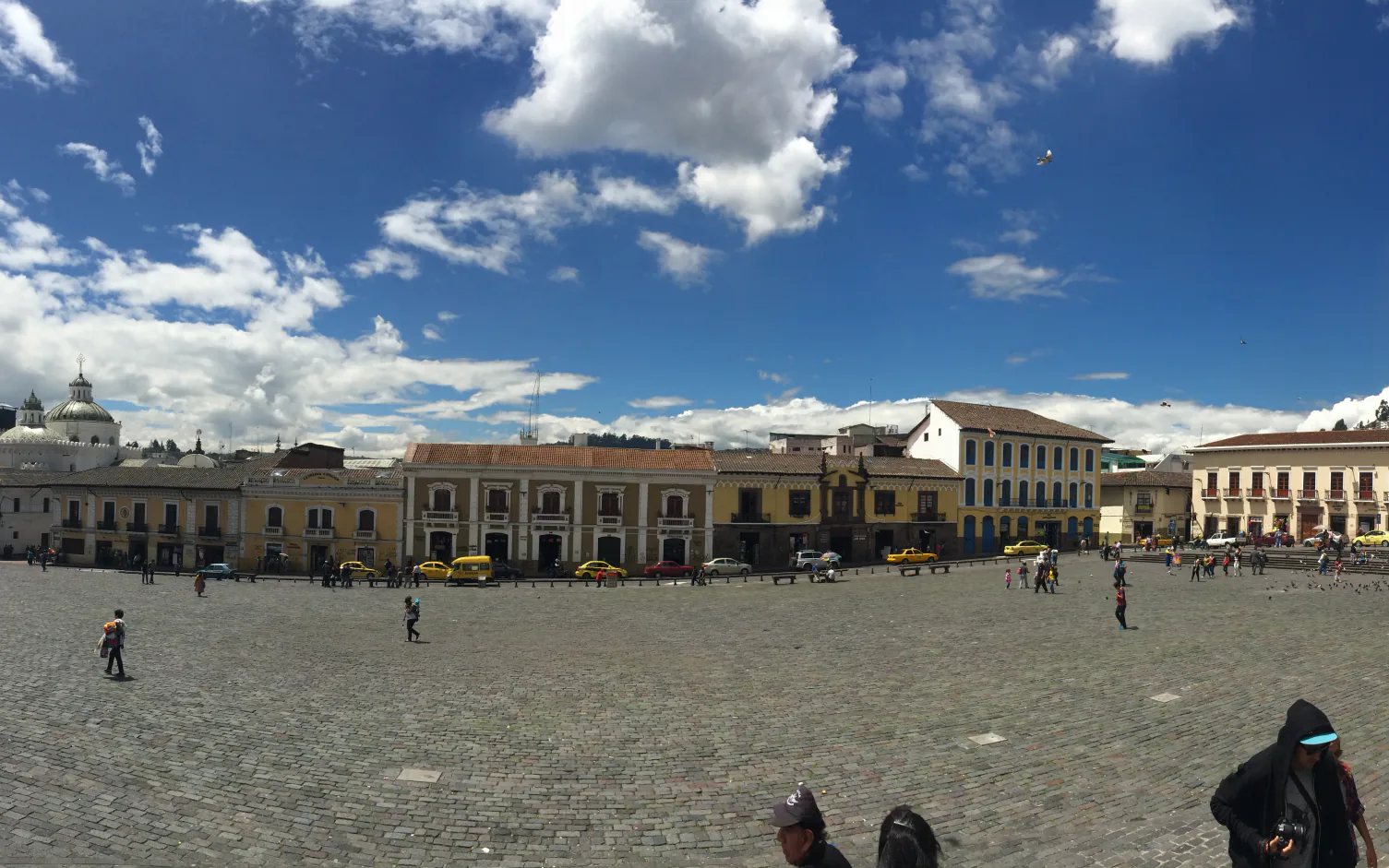
Plaza San Francisco and historic buildings in Quito
Explore the Historic Center

Explore the Historic Center

Begin around Plaza Grande and Plaza San Francisco, then choose an interior such as La Compañía de Jesús for a closer look at Quito’s religious art. A focused route gives you time for the architecture and its stories without filling the day with church visits. Keep in mind: slopes, uneven paving and steps can affect the route.
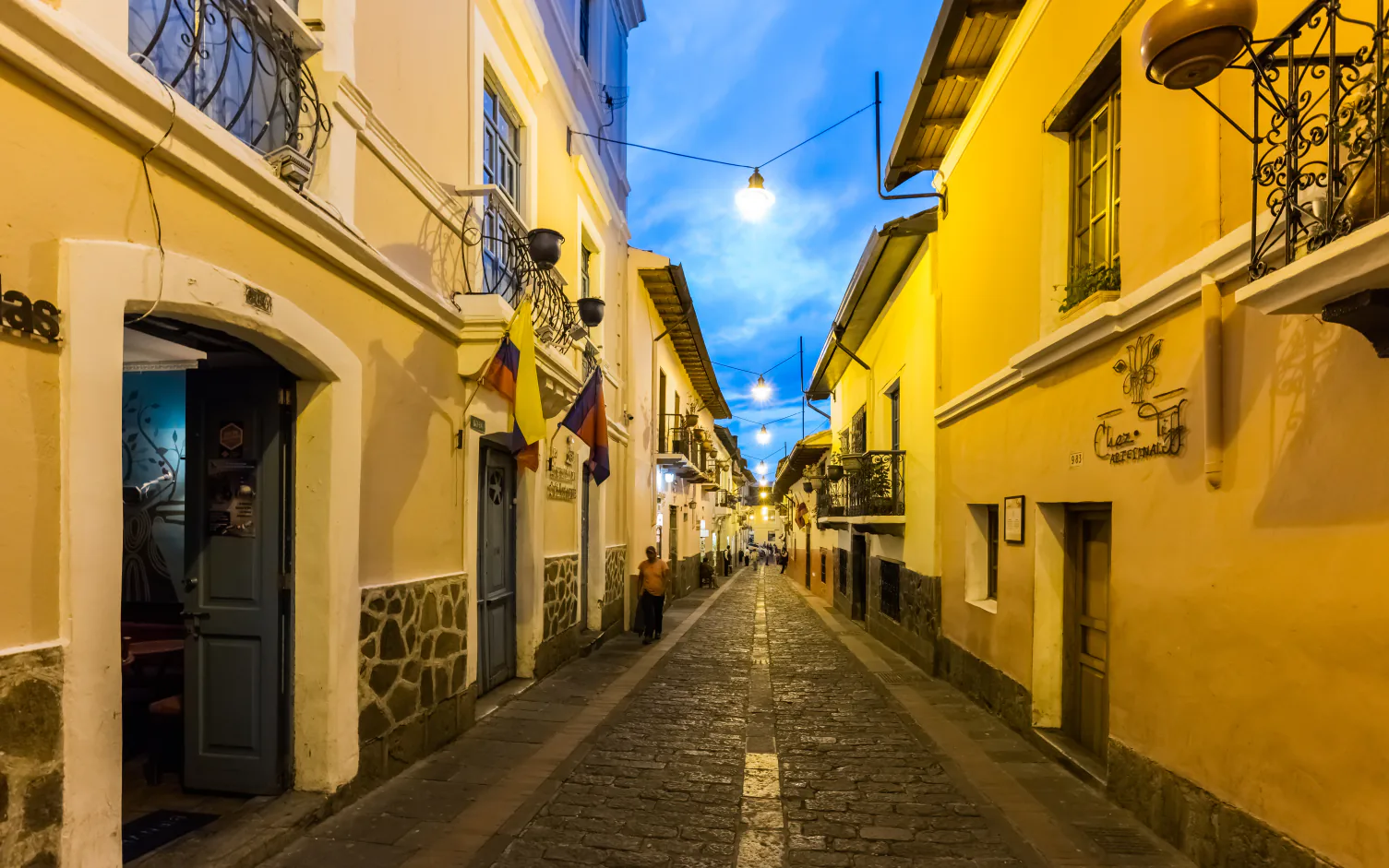
Cobbled La Ronda street with balconies and illuminated façades in Quito
Discover La Ronda’s Craft Traditions

Discover La Ronda’s Craft Traditions

Along La Ronda’s cobbled street, traditional workshops and small businesses connect the historic setting with skills still practiced today. Look for an artisan demonstration or a food stop that interests your group, and allow time to talk rather than simply pass through. Keep in mind: workshop openings, hands-on activities and tastings need to be confirmed individually.
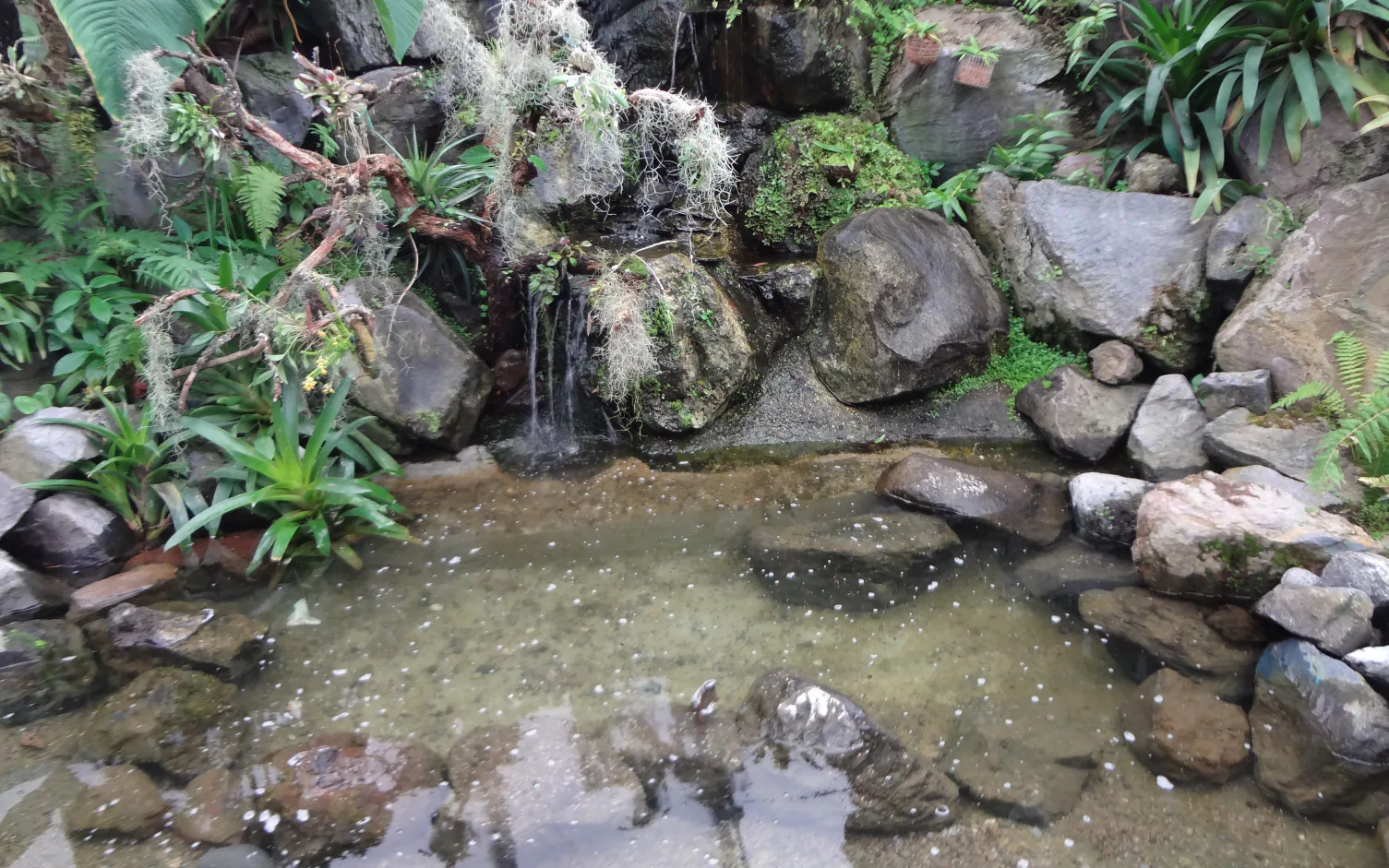
Plants and a rock-lined pond in Quito Botanical Garden
Pause at Quito Botanical Garden

Pause at Quito Botanical Garden

Inside La Carolina Park, the botanical garden brings together orchids, Andean plant habitats and themed gardens. It offers a change of scene between cultural visits, with room to follow your curiosity rather than work through another list of landmarks. Keep in mind: check the route and facilities for your specific mobility needs.
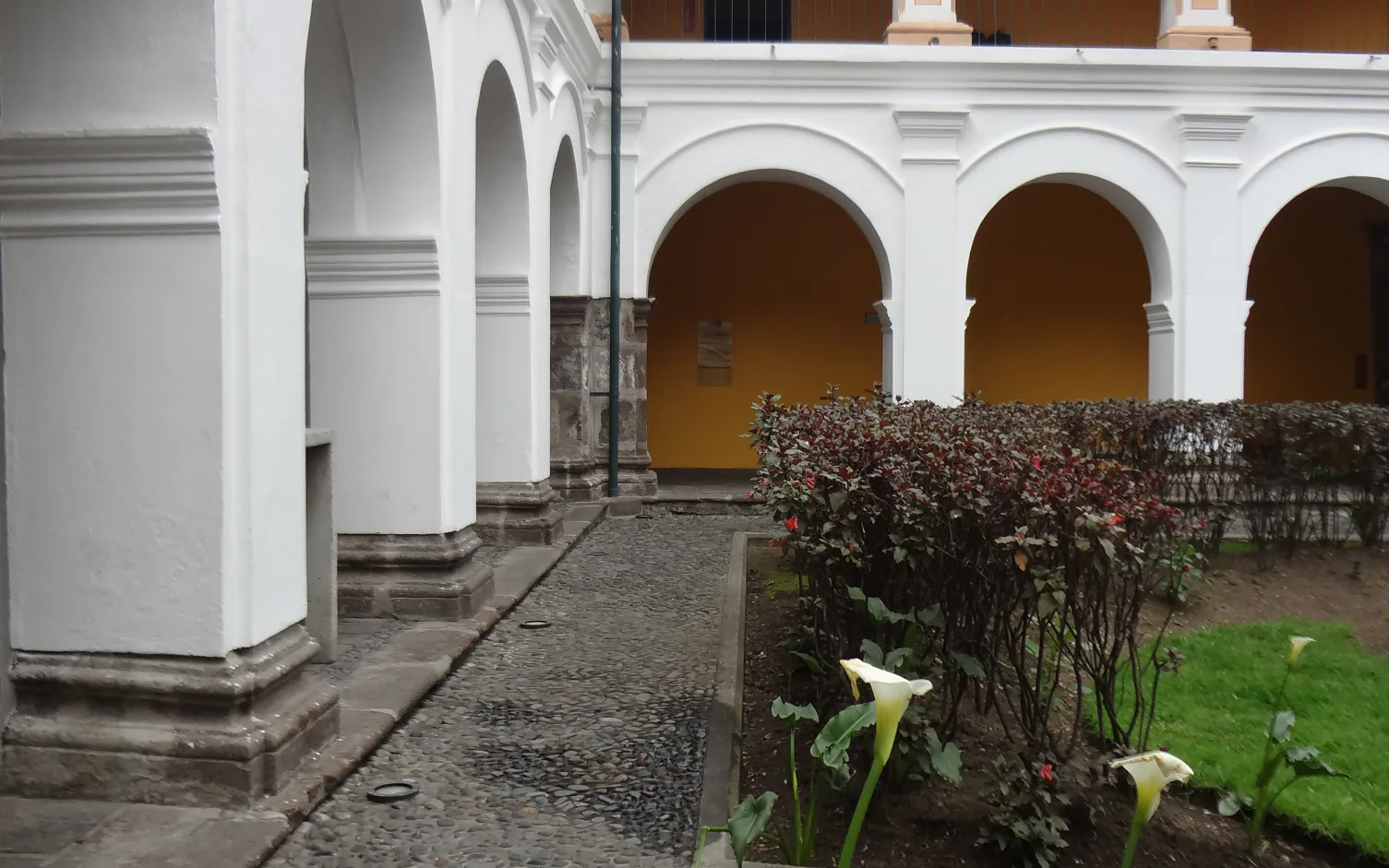
Arched courtyard and garden at Museo de la Ciudad in Quito
Discover Everyday History at Museo de la Ciudad

Discover Everyday History at Museo de la Ciudad

Housed in the former San Juan de Dios hospital, Museo de la Ciudad explores Quito’s social history and the lives of its residents. Combine it with nearby historic streets, or keep it as a cultural option when rain changes your outdoor plans. Keep in mind: allow time for the exhibitions that interest you; the courtyard is partly outdoors.
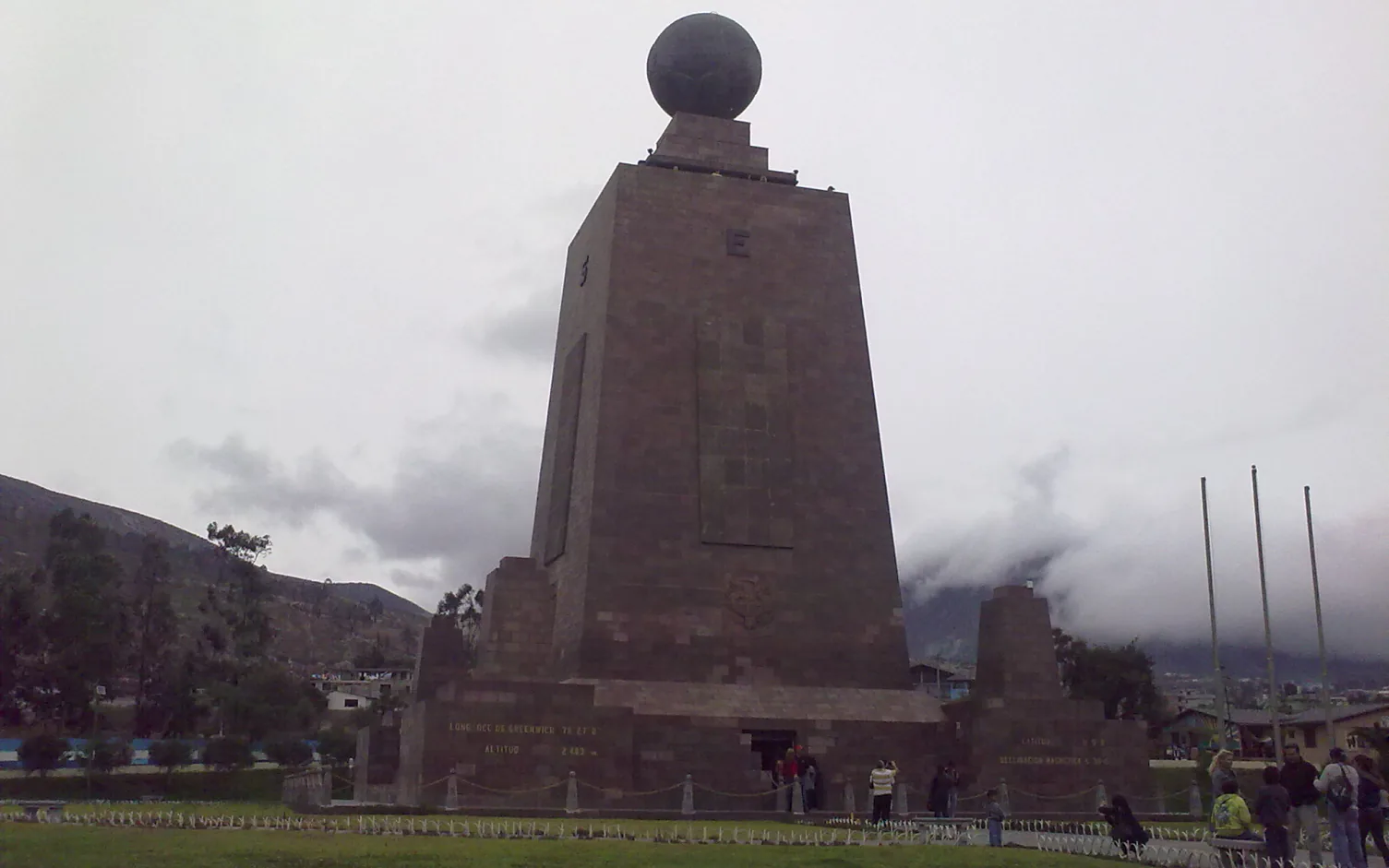
Globe-topped monument at Ciudad Mitad del Mundo near Quito
Visit Ciudad Mitad del Mundo

Visit Ciudad Mitad del Mundo

The equatorial monument and cultural exhibits at Ciudad Mitad del Mundo make an engaging outing north of central Quito. Go for the history of the site and the familiar equator photograph, with time to explore the exhibits that appeal to your group. Keep in mind: plan a separate half-day window including transport. The monument complex and nearby Intiñan museum are different attractions.
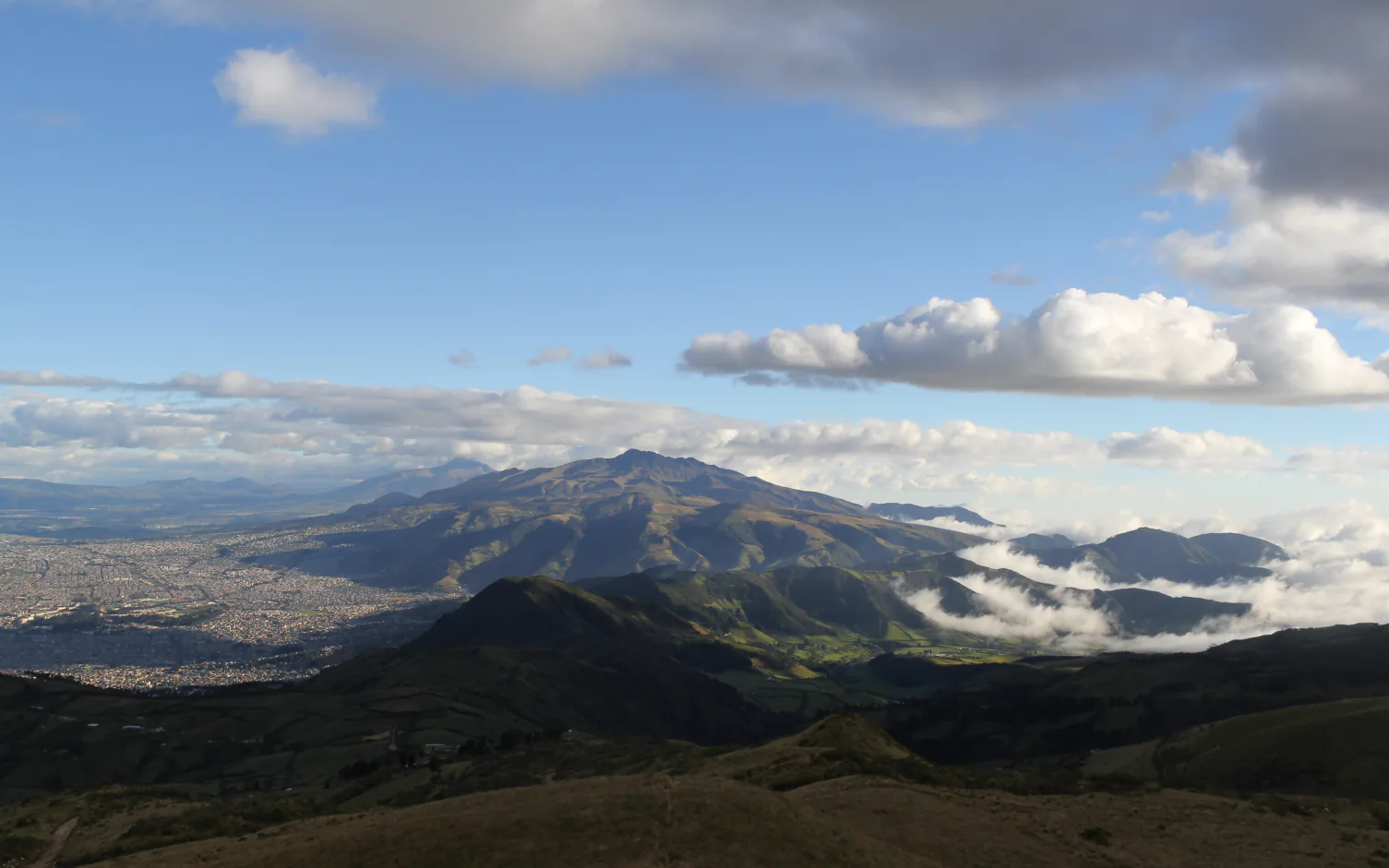
Quito and the surrounding mountains seen from Cruz Loma
See the City from the TelefériQo

See the City from the TelefériQo

The TelefériQo rises toward Cruz Loma, around 13,000 feet (4,000 meters) above sea level. When skies clear, the city and surrounding mountains come into view. Keep this outing optional and separate it from any hike toward Rucu Pichincha, which is a more demanding mountain activity. Keep in mind: the operator admits children from 18 months, but admission does not establish medical suitability. Weather can interrupt service.

Planning Your Time in Quito

Count full sightseeing days separately from arrival and departure days. Then choose the experiences that fit your interests, health needs and onward journey.

One Day, Two Days or a Longer Stay?

With one full day, focus on the historic center and one museum or church interior. Two full days give you room for a contrasting outing, such as the botanical garden or Mitad del Mundo, without rushing every stop. Add a separate day for a regional excursion. A late arrival followed by one full sightseeing day usually needs two nights; two full days often need three. These are planning examples, not a required stay or an acclimatization timetable.

Allow for the Altitude

Quito sits at approximately 9,350 feet (2,850 meters). Keep activity light after arrival and seek pre-travel medical advice about your itinerary, especially for young children or existing health conditions. Fitness does not prevent altitude illness. If symptoms develop, do not go higher; seek medical advice, and descend if symptoms worsen. The TelefériQo and highland excursions require a separate decision rather than an automatic addition to your first day.

Weather, Layers and Backup Plans

June through September is generally drier; October through May is wetter. Rain can still arrive in the drier months, and mountain views are never guaranteed. Bring layers, a waterproof jacket, sun protection and shoes with good grip. Keep a museum visit available if the weather changes, and choose your dates for the whole Ecuador journey rather than Quito alone.

Airport Transfers and Getting Around

Mariscal Sucre Airport is outside central Quito. Transfer time depends on your accommodation, traffic and road conditions, so confirm the journey for your actual arrival time. Arrange a reputable transfer or authorized airport taxi, and request suitable child restraints or accessible transport in advance. Group nearby city visits together; crossing Quito between every stop can use up a short stay.

Choose Regional Excursions Carefully

Allow a full day for Mindo’s cloud forest, Otavalo’s market area or a Cotopaxi outing, including the return journey. A viewpoint visit and a hike have different demands, especially at altitude. Compare the exact route, time in the vehicle and walking involved before choosing. For Quilotoa or Baños, consider an overnight extension rather than squeezing a long return drive into a brief Quito stay. These are planning possibilities, subject to a confirmed itinerary.

Connecting Quito with the Galapagos

Travel to the Galapagos by air via mainland Ecuador, arriving at Baltra or San Cristóbal according to your island program. Check whether your Quito flight stops in Guayaquil, along with baggage handling, connection time and any overnight stay. Allow for the required transit control card and biosecurity procedures. Plan the islands as a separate stay, not a day trip from Quito. Our Galapagos travel guide helps you compare the island experience before choosing a wider route.

Plan Your Wider Journey

Browse PWP’s published itineraries for ideas, then use the Trip Planner to discuss where Quito could fit. The catalog covers several destinations; check each route rather than assuming it includes Quito. Mainland stops, flights and services need to be confirmed in your final proposal.

Why Travel with Peru Wayna Picchu?

Why Travel with Peru Wayna Picchu?

Tailor-Made Travel

Every trip is personally designed around your interests, pace, and style by our specialists.

Why Travel with Peru Wayna Picchu?

Exclusive Access

Private or small-group travel, maximizing your time and budget.

Why Travel with Peru Wayna Picchu?

Expert Local Guides

Handpicked professionals who make every trip insightful and unforgettable.

Why Travel with Peru Wayna Picchu?

Trusted Peru Travel Expertise

10+ years of experience, 24/7 support, and official recognition for seamless travel.

Added peace of mind! Postpone your trip at no cost up to 20 days prior to departure No change fee with open dates.

Local Operational Flexibility

Added peace of mind! Postpone your trip at no cost up to 20 days prior to departure No change fee with open dates.

See more

Frequently Asked Questions About Visiting Quito

Quito offers gardens, museums and cultural stops that can work well in shorter sessions. Choose one main activity at a time, with space for meals and rest. Share your children’s ages and interests when planning; transport, food needs and any activity restrictions should be checked individually. Children are also susceptible to altitude illness, so an energetic child is not automatically ready for a high-altitude outing.

That depends on the route. Historic streets may have slopes and uneven paving, while church interiors, towers and viewpoints have different access requirements. Ask about steps, walking distances, toilets and rest stops before confirming a visit. Wheelchair access to a cable-car cabin does not mean all trails at the top are accessible.

Only if the connection leaves enough time for entry formalities, baggage arrangements, the return transfer and your airline’s check-in requirements. The airport is outside the city, and road delays can change the calculation. For a short connection, prioritize the flight rather than treating sightseeing as a guaranteed option.

The historic center puts cultural sights nearby; the La Carolina area suits plans that include the park and botanical garden. An airport-area stay can be practical before an early flight, but does not put central Quito on your doorstep. Compare the actual transfer routes, access needs and current local advice before choosing accommodation.

Read current US Department of State and UK FCDO advice for every stop on your route. In Quito, take care with valuables, arrange reputable transport and avoid demonstrations and isolated walks after dark. Risk differs by location and can change. For Guayaquil, an overnight hotel stay is different from remaining airside in transit; check the specific regional advice and your insurance before booking.

For ordinary tourism, US citizens and full British citizen passport holders can generally visit without a visa for up to 90 days in a 12-month period. Both need at least six months of passport validity on arrival. Check official entry guidance for your passport and route before travel; land or river entry from Peru or Colombia and travel with children may involve additional requirements. Galapagos entry has separate procedures.

The experiences on this page are ideas for planning. Your selected itinerary and final proposal determine which visits, guides, transfers and admissions are included, and which services are private or shared. Spanish is the main language in Quito; confirm your preferred guiding language and any specific activities before booking.

It can be possible, but the two areas are not neighboring stops. A combined day means more driving and less time at each place. If you want a longer museum visit, a relaxed lunch or regular breaks with children, separate outings may be a better fit. Confirm the actual route before deciding.

Photo Credits

Photograph attributions and licenses

Photo Credits

Photographs from Wikimedia Commons, used under their own licenses. No endorsement is implied.

We can call you in 30 seconds